
A personal item is not just a smaller carry-on. It is the bag that has to survive the strictest part of travel: the space under the seat, the boarding-agent glance, the laptop you need mid-flight and the items you cannot risk checking. This guide explains how to choose a personal item by real fit, not just claimed liters.
Last updated: May 5, 2026
We refresh this guide when new products, stronger alternatives, or important specification changes affect the recommendations.
The practical rule
Start with the airline rule, then subtract margin. A bag that technically matches a published dimension can still become too bulky when it is overpacked, has rigid corners, or uses thick padding. Soft-sided backpacks, totes and duffels often fit better than their dimensions suggest, while boxy or overstuffed bags can become difficult even when the numbers look safe.
What matters more than liters
- Depth: this is the dimension that usually gets people in trouble under the seat.
- Structure: a soft bag can compress, but only if you do not pack it like a brick.
- Access: exterior pockets matter because you should not unpack the whole bag in the aisle.
- Laptop placement: a dedicated laptop area keeps the bag flatter and safer through security.
Best formats for underseat travel
Travel backpacks are the safest choice if you walk long distances or use public transit. Professional totes work well when the trip starts at the office. Soft duffels are good for weekends, but they become awkward when overfilled. Expandable bags are useful only if you treat expansion as backup space, not your default packing mode.
The Daylite Expandable 26+6 is the easiest personal-item backpack to recommend because it is light, flexible, reasonably priced, and useful across real travel situations. Best for: Personal-item one-bag travel, budget airlines, light packers, weekend trips The Black Hole Mini MLC 30L is the practical choice when you want one soft-sided bag that can replace a small roller on short trips. Best for: Minimalist travelers, laptop travel, short work trips, soft carry-on flexibility The Aer Travel Pack 3 Small is the polished choice for travelers who want a compact one-bag setup that still feels office-ready. Best for: City travel, digital nomads, organized tech carry, short trips without a roller The Transit Workpack is ideal when your trip starts at the office and ends at a hotel, but it is not the right choice for heavy packers. Best for: Commuters, work trips, laptop travel, minimalist packing The Everyday Backpack Zip 20L is the right personal-item choice for photographers and creators who need faster gear access than a normal backpack provides. Best for: Camera owners, tech carry, urban day travel, organized everyday use The Synik 30 is a serious organizer’s backpack: expensive, detailed, and highly useful if you appreciate deliberate pocket design. Best for: Organization-focused travelers, long-term durability, one-bag packing, US-made gear fans
Osprey Daylite Expandable Travel Pack 26+6
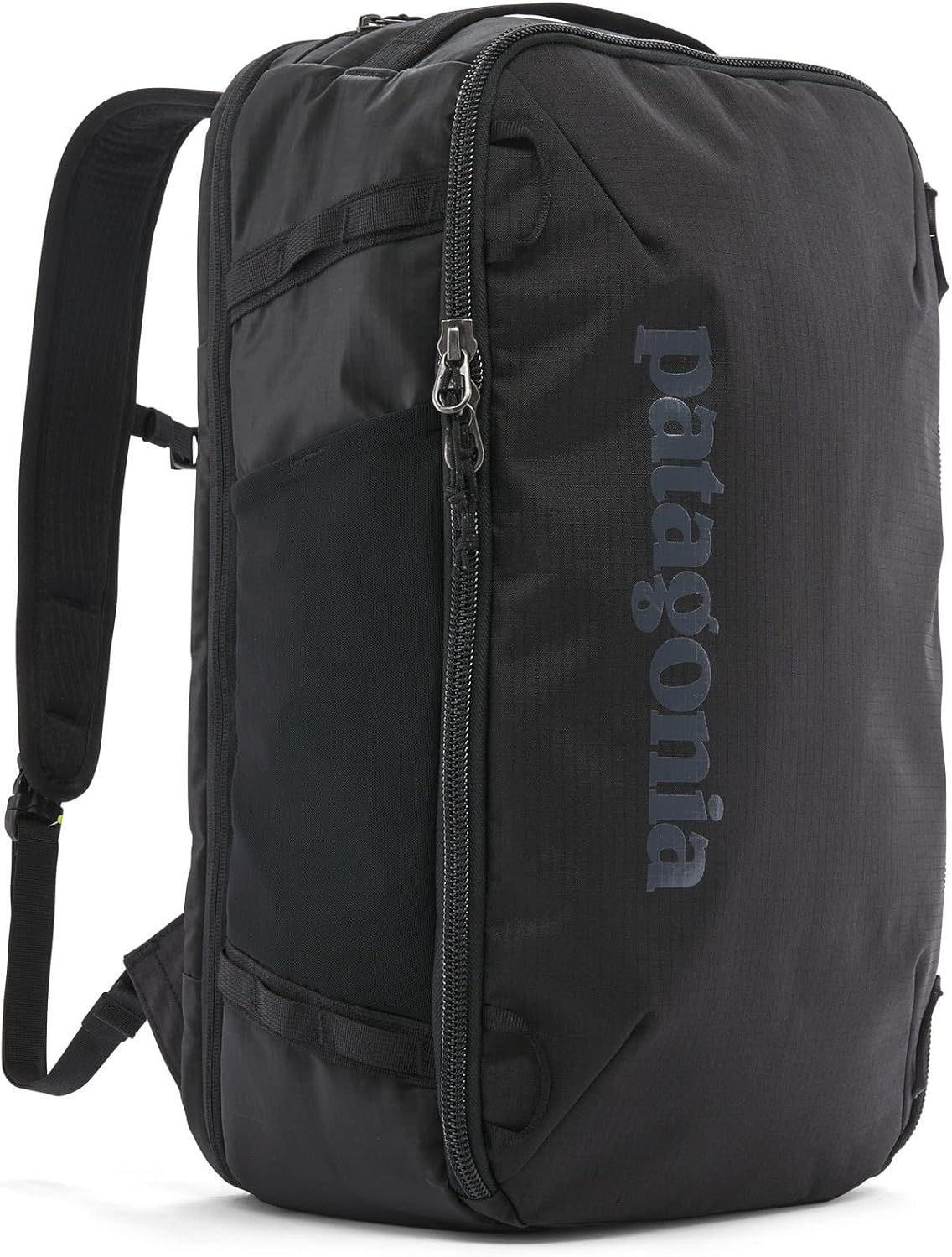
Patagonia Black Hole Mini MLC 30L

Aer Travel Pack 3 Small

Bellroy Transit Workpack 20L

Peak Design Everyday Backpack Zip 20L

Tom Bihn Synik 30
How to apply this advice to real trips
Travel-bag recommendations are easy to overgeneralize, so compare the bag to the trip before comparing it to another product. A bag that is excellent for a hotel weekend can be frustrating on stairs, while an underseat backpack that is perfect for budget airlines may feel too small for business clothing or winter layers.
- Osprey Daylite Expandable Travel Pack 26+6: best suited to personal-item one-bag travel, budget airlines, light packers, weekend trips. Its strongest argument is expandable design makes it useful for both daily carry and short trips. The main watch-out is less polished-looking than premium office backpacks.
- Patagonia Black Hole Mini MLC 30L: best suited to minimalist travelers, laptop travel, short work trips, soft carry-on flexibility. Its strongest argument is excellent balance of travel capacity and carry comfort. The main watch-out is can look more utilitarian than polished office bags.
- Aer Travel Pack 3 Small: best suited to city travel, digital nomads, organized tech carry, short trips without a roller. Its strongest argument is excellent organization for tech, documents, chargers, and travel essentials. The main watch-out is heavier than simpler personal-item backpacks.
- Bellroy Transit Workpack 20L: best suited to commuters, work trips, laptop travel, minimalist packing. Its strongest argument is clean, professional look works well in offices and hotels. The main watch-out is 20 L is limited for more than a very light overnight trip.
- Peak Design Everyday Backpack Zip 20L: best suited to camera owners, tech carry, urban day travel, organized everyday use. Its strongest argument is excellent side access for camera and tech gear. The main watch-out is less efficient for clothing than a clamshell travel backpack.
How much margin should you leave?
Leave margin in the depth dimension first. Depth grows quickly when clothes, shoes and tech pouches stack together, and it is the dimension most likely to make a bag fight the underseat space. A slightly smaller bag that keeps its shape is usually less stressful than a larger bag that only fits when it is perfectly packed.
Questions to answer before buying
- Will you walk with it loaded? If yes, straps, weight and balance matter more than a slightly larger main compartment.
- Will you need laptop access mid-trip? If yes, avoid bags that bury the laptop behind clothing.
- Are airline rules strict on your route? If yes, leave depth margin and avoid fully expanded packing.
- Do you pack structured outfits? If yes, a clamshell backpack or carry-on may protect clothing better than a soft duffel.
FAQ
Is a larger travel bag always better?
No. Larger bags invite overpacking and can become harder to carry, fit or organize. The best bag gives enough space with margin, not the absolute maximum capacity.
Should I buy for my longest trip or my most common trip?
Buy for the trip you take most often. Rent, borrow or add a checked bag for unusual trips rather than carrying an oversized bag all year.
How to test the bag at home
Pack the bag with the items you normally take, then walk with it for ten minutes, remove your laptop, reach for documents and place it under a chair or desk. This simple test exposes most fit, access and comfort problems before the return window closes.
Signs you chose the wrong format
If you need to unpack the bag to reach essentials, if it becomes too deep when full, or if the strap comfort fails before you leave home, the format is wrong even if the capacity looks correct. Choose the bag that keeps the travel day calm, not the one that wins only on liters.
What to verify before you buy
Travel bags should be judged with real packing friction in mind. A bag that is perfect for a product photo can be awkward when it contains shoes, toiletries, electronics and a jacket. The best choice is the one that keeps the travel day calmer, even if another model claims more capacity.
- Current airline size limits for your route.
- Loaded weight and carry comfort.
- Whether the bag still fits when packed realistically.
- Laptop and document access.
- Warranty coverage for wheels, zippers, handles and seams.
For Personal Item Size Guide: How to Choose an Underseat Bag That Actually Fits, the safest final step is to compare the article’s recommendation against the latest product listing, included accessories, retailer return window and your own use case. That keeps the decision practical without relying on stale pricing or one-size-fits-all claims.
How to compare similar travel bags
When two bags look close, pack them on paper before you compare brand or style. List your laptop, chargers, toiletries, shoes, jacket and the clothing you actually bring. Then ask where each item goes and what you need to reach during the trip. The best travel bag has a place for the items you use in transit without forcing you to unpack clothing in an aisle or hotel lobby.
Comfort is the tie-breaker. A bag that carries well, opens cleanly and stays within airline margin will feel better than a larger bag that becomes stressful when full. For frequent travel, also compare warranty terms, zipper quality, wheel or strap design and whether the bag still looks appropriate in the places you visit most often.


Leave a Reply