
Camera-phone shopping is about consistency, not just megapixels. The right choice depends on whether you value point-and-shoot photos, video, zoom, manual controls or a complete everyday phone.
Last updated: May 5, 2026
We refresh this guide when new products, stronger alternatives, or important specification changes affect the recommendations.
Quick picks
- #1 — iPhone 17 Pro Max: Shortlist it as the Best Overall Phone option when you want a phone whose ecosystem, camera behavior, battery life and update path fit your daily routine. Its main advantage is practical fit: the scorecard points to a product with a clear use case rather than a purely spec-driven recommendation. Key listed display: 6.9-inch Super Retina XDR OLED with ProMotion up to 120Hz. The product card gives the concise scorecard; the guide below explains the buying context.
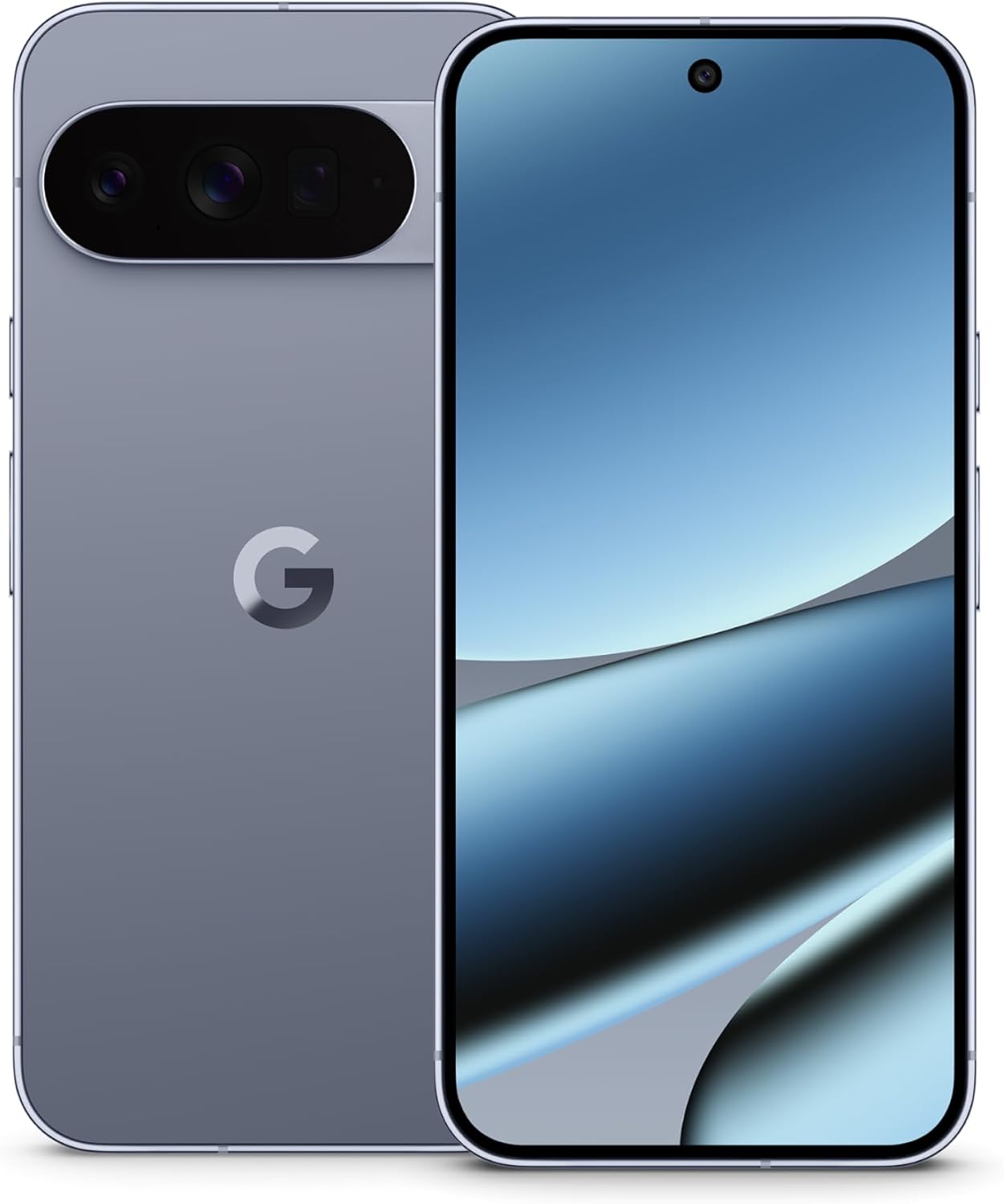
- #2 — Google Pixel 10 Pro XL: Shortlist it as the Best AI Camera Phone option when you want a phone whose ecosystem, camera behavior, battery life and update path fit your daily routine. Its main advantage is practical fit: the scorecard points to a product with a clear use case rather than a purely spec-driven recommendation. Key listed display: Pixel 10 Pro XL large OLED display with high brightness. The product card gives the concise scorecard; the guide below explains the buying context.
- #3 — Samsung Galaxy S26 Ultra: Shortlist it as the Best Android Flagship option when you want a phone whose ecosystem, camera behavior, battery life and update path fit your daily routine. Its main advantage is practical fit: the scorecard points to a product with a clear use case rather than a purely spec-driven recommendation. Key listed display: large AMOLED flagship display, up to 120Hz. The product card gives the concise scorecard; the guide below explains the buying context.
- #4 — Xiaomi 15 Ultra: Shortlist it as the Best Camera Hardware option when you want a phone whose ecosystem, camera behavior, battery life and update path fit your daily routine. Camera consistency is the reason to shortlist it, but the final choice should still account for software, battery and size. Key listed display: 6.73-inch WQHD+ AMOLED, 3200 x 1440, up to 120Hz. The product card gives the concise scorecard; the guide below explains the buying context.
Best Camera Phones iPhone, Pixel, Galaxy and Xiaomi Picks for Photos and Video compared
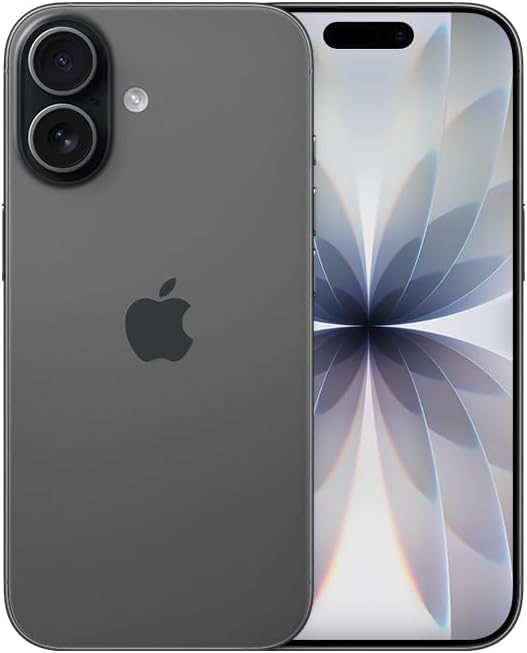
The iPhone 17 Pro Max is the safest premium recommendation for buyers who want the most complete phone rather than the cheapest flagship. It combines class-leading video, a huge display, long support, and excellent ecosystem value. Best for: Premium buyers, iOS users, creators, battery life, video recording The Galaxy S26 Ultra is the Android phone to buy when you want the most capability in one device: big display, stylus, zoom range, AI features, and a productivity-focused software stack. Best for: Android power users, zoom photography, S Pen fans, multitasking, large screens The Pixel 10 Pro XL is the most comfortable Android recommendation for people who care about effortless photos, Google services, call features, smart editing tools, and long-term software support. Best for: Point-and-shoot photography, Google AI, clean Android, long updates The iPhone 17 is the iPhone most people should look at first. It gives mainstream buyers the key upgrades they will actually notice — smoother display, faster chip, better front camera, and strong long-term value — without jumping to Pro Max pricing. Best for: iOS users, everyday buyers, smaller flagship size, long-term ownership The Galaxy Z Fold7 is the phone to consider if you genuinely want a pocketable tablet experience. It is expensive, but it offers more productivity flexibility than any standard slab phone in this list. Best for: Foldable buyers, multitasking, reading, spreadsheets, travel productivity The OnePlus 13 is the enthusiast value pick: fast, smooth, long-lasting, and often priced below the most expensive ultra flagships. It is best for buyers who value speed and battery more than brand prestige. Best for: Performance buyers, fast charging, battery life, Android value shoppers The Xiaomi 15 Ultra is the phone for camera-hardware enthusiasts. It is less universally easy to recommend than an iPhone or Pixel, but its sensor and telephoto hardware make it one of the most interesting camera phones available. Best for: Mobile photographers, camera hardware fans, zoom, travel photography The Xperia 1 VII is not the phone for everyone, but it is one of the most interesting choices for creators, audio fans, and buyers who still want specialist hardware rather than a generic flagship. Best for: Creators, Sony camera users, audio fans, microSD users, manual controls The Nothing Phone (3) is the phone to pick when you want strong Android performance and a unique identity without paying the highest ultra-flagship prices. It is less universal than a Pixel or Galaxy, but much more memorable. Best for: Design-focused Android buyers, mid-premium value, users who want something different The Galaxy S26 is the practical Samsung pick for buyers who want a smaller flagship and long software support without the size, cost, and complexity of the Ultra. Best for: Compact Android buyers, Samsung ecosystem users, smaller hands, long update support
iPhone 17 Pro Max

Samsung Galaxy S26 Ultra
Google Pixel 10 Pro XL
iPhone 17

Samsung Galaxy Z Fold7

OnePlus 13

Xiaomi 15 Ultra

Sony Xperia 1 VII

Nothing Phone (3)

Samsung Galaxy S26
How to choose
Use this guide to choose by daily phone fit, not just launch hype. Start with ecosystem, camera style, size, battery expectations, update support and regional feature availability, then compare the highest-scoring models against those needs.
iPhone 17 Pro Max: Best Overall Phone
iPhone 17 Pro Max is best treated as the best overall phone pick in this article. The compact card below already covers the score, short verdict, pros, cons and shopping link; this written section adds buying context. For Best Camera Phones: iPhone, Pixel, Galaxy and Xiaomi Picks for Photos and Video, the best pick is the one whose software, camera behavior, size and update path fit your daily routine.
Where it makes sense
- Its main advantage is practical fit: the scorecard points to a product with a clear use case rather than a purely spec-driven recommendation.
- The listed display detail — 6.9-inch Super Retina XDR OLED with ProMotion up to 120Hz — is useful only if it improves the apps, camera modes or battery routine you use every day.
- The listed chip detail — Apple A19 Pro — is useful only if it improves the apps, camera modes or battery routine you use every day.
- Confirm storage tier, carrier support, region-specific features and case availability before treating the phone as the obvious upgrade.
What to double-check
The value question is total ownership cost: the product may be worth it only if you will use the capability that raises the price. This is why the product card is useful: it gives the concise pros and cons, while the surrounding guide explains whether those trade-offs matter for your situation.
Best for: Premium buyers, iOS users, creators, battery life, video recording The iPhone 17 Pro Max is the safest premium recommendation for buyers who want the most complete phone rather than the cheapest flagship. It combines class-leading video, a huge display, long support, and excellent ecosystem value.iPhone 17 Pro Max
9.6/10
Google Pixel 10 Pro XL: Best AI Camera Phone
Google Pixel 10 Pro XL is best treated as the best ai camera phone pick in this article. The compact card below already covers the score, short verdict, pros, cons and shopping link; this written section adds buying context. For Best Camera Phones: iPhone, Pixel, Galaxy and Xiaomi Picks for Photos and Video, the best pick is the one whose software, camera behavior, size and update path fit your daily routine.
Where it makes sense
- Its main advantage is practical fit: the scorecard points to a product with a clear use case rather than a purely spec-driven recommendation.
- The listed display detail — Pixel 10 Pro XL large OLED display with high brightness — is useful only if it improves the apps, camera modes or battery routine you use every day.
- The listed chip detail — Google Tensor G5 — is useful only if it improves the apps, camera modes or battery routine you use every day.
- Confirm storage tier, carrier support, region-specific features and case availability before treating the phone as the obvious upgrade.
What to double-check
The main limitation should be checked against your use case instead of assuming the score alone settles the decision. This is why the product card is useful: it gives the concise pros and cons, while the surrounding guide explains whether those trade-offs matter for your situation.
Best for: Point-and-shoot photography, Google AI, clean Android, long updates The Pixel 10 Pro XL is the most comfortable Android recommendation for people who care about effortless photos, Google services, call features, smart editing tools, and long-term software support.Google Pixel 10 Pro XL
9.3/10
Samsung Galaxy S26 Ultra: Best Android Flagship
Samsung Galaxy S26 Ultra is best treated as the best android flagship pick in this article. The compact card below already covers the score, short verdict, pros, cons and shopping link; this written section adds buying context. For Best Camera Phones: iPhone, Pixel, Galaxy and Xiaomi Picks for Photos and Video, the best pick is the one whose software, camera behavior, size and update path fit your daily routine.
Where it makes sense
- Its main advantage is practical fit: the scorecard points to a product with a clear use case rather than a purely spec-driven recommendation.
- The listed display detail — large AMOLED flagship display, up to 120Hz — is useful only if it improves the apps, camera modes or battery routine you use every day.
- The listed cameras detail — 200MP wide, 50MP ultrawide, 10MP 3x telephoto, 50MP 5x telephoto in current listings — is useful only if it improves the apps, camera modes or battery routine you use every day.
- Confirm storage tier, carrier support, region-specific features and case availability before treating the phone as the obvious upgrade.
What to double-check
The value question is total ownership cost: the product may be worth it only if you will use the capability that raises the price. This is why the product card is useful: it gives the concise pros and cons, while the surrounding guide explains whether those trade-offs matter for your situation.
Best for: Android power users, zoom photography, S Pen fans, multitasking, large screens The Galaxy S26 Ultra is the Android phone to buy when you want the most capability in one device: big display, stylus, zoom range, AI features, and a productivity-focused software stack.Samsung Galaxy S26 Ultra
9.5/10
Xiaomi 15 Ultra: Best Camera Hardware
Xiaomi 15 Ultra is best treated as the best camera hardware pick in this article. The compact card below already covers the score, short verdict, pros, cons and shopping link; this written section adds buying context. For Best Camera Phones: iPhone, Pixel, Galaxy and Xiaomi Picks for Photos and Video, the best pick is the one whose software, camera behavior, size and update path fit your daily routine.
Where it makes sense
- Camera consistency is the reason to shortlist it, but the final choice should still account for software, battery and size.
- The listed display detail — 6.73-inch WQHD+ AMOLED, 3200 x 1440, up to 120Hz — is useful only if it improves the apps, camera modes or battery routine you use every day.
- The listed brightness detail — 3200 nits multi-scenario peak brightness in Xiaomi specs — is useful only if it improves the apps, camera modes or battery routine you use every day.
- Confirm storage tier, carrier support, region-specific features and case availability before treating the phone as the obvious upgrade.
What to double-check
Availability and feature support should be confirmed for your country, carrier or retailer before buying. This is why the product card is useful: it gives the concise pros and cons, while the surrounding guide explains whether those trade-offs matter for your situation.
Best for: Mobile photographers, camera hardware fans, zoom, travel photography The Xiaomi 15 Ultra is the phone for camera-hardware enthusiasts. It is less universally easy to recommend than an iPhone or Pixel, but its sensor and telephoto hardware make it one of the most interesting camera phones available.Xiaomi 15 Ultra
8.6/10
How the recommended picks differ in real use
The products in this guide are not interchangeable. They target different priorities, so the safest way to choose is to match the product’s strengths to the part of ownership you will notice most often.
- iPhone 17 Pro Max: Its main advantage is practical fit: the scorecard points to a product with a clear use case rather than a purely spec-driven recommendation. The listed display detail — 6.9-inch Super Retina XDR OLED with ProMotion up to 120Hz — is useful only if it improves the apps, camera modes or battery routine you use every day. The value question is total ownership cost: the product may be worth it only if you will use the capability that raises the price.
- Google Pixel 10 Pro XL: Its main advantage is practical fit: the scorecard points to a product with a clear use case rather than a purely spec-driven recommendation. The listed display detail — Pixel 10 Pro XL large OLED display with high brightness — is useful only if it improves the apps, camera modes or battery routine you use every day. The main limitation should be checked against your use case instead of assuming the score alone settles the decision.
- Samsung Galaxy S26 Ultra: Its main advantage is practical fit: the scorecard points to a product with a clear use case rather than a purely spec-driven recommendation. The listed display detail — large AMOLED flagship display, up to 120Hz — is useful only if it improves the apps, camera modes or battery routine you use every day. The value question is total ownership cost: the product may be worth it only if you will use the capability that raises the price.
- Xiaomi 15 Ultra: Camera consistency is the reason to shortlist it, but the final choice should still account for software, battery and size. The listed display detail — 6.73-inch WQHD+ AMOLED, 3200 x 1440, up to 120Hz — is useful only if it improves the apps, camera modes or battery routine you use every day. Availability and feature support should be confirmed for your country, carrier or retailer before buying.
How to compare these picks beyond the score
A score is useful for building a shortlist, but the best answer for Best Camera Phones: iPhone, Pixel, Galaxy and Xiaomi Picks for Photos and Video depends on the constraint that will affect you every day. Use the ranking as a starting point, then compare the products against the situations below before choosing.
- Ecosystem fit: ios, android, samsung, google services, accessories and family sharing.
- Camera consistency across main, ultrawide, telephoto, selfie and video rather than one impressive spec.
- Battery life, charging style and whether the phone size works for your hand and pocket.
- Update policy, repair options, trade-in value and carrier compatibility.
- Regional availability of ai, call, satellite, payments or camera features.
Everyday phone scenarios
- Point-and-shoot photos: favor camera processing consistency and reliable auto mode over manual controls.
- Video and creator work: compare stabilization, microphones, storage tiers, accessory support and file-transfer workflow.
- Productivity and multitasking: look at display size, split-screen tools, stylus support or foldable layouts before chasing benchmark numbers.
- Long-term ownership: prioritize update support, battery service, protective cases and resale value.
Common mistake to avoid
A phone can have excellent hardware and still be a bad match if you dislike its software, cannot use its best features in your region, or need a smaller device for daily comfort.
FAQ
Is the best camera phone also the best phone overall?
Not always. Camera hardware, software comfort, battery life, size and ecosystem can point to different winners.
Should I choose iPhone or Android for long-term value?
Choose the platform you will keep using. App purchases, cloud services, accessories and family messaging often matter as much as launch specs.
Are AI phone features a reason to upgrade?
They can be, but only when the features work in your language, region and daily apps. Treat them as a practical workflow benefit, not a generic spec.


Leave a Reply