
Choosing the best smartphone in 2026 is less about finding one universal winner and more about matching the right phone to the way you actually use it. The best phone for a mobile photographer is not always the best phone for a gamer, a student, a frequent traveler, a creator, a parent, or a buyer who simply wants a reliable device that will last for five years.
How to choose quickly
Choose by the feature you notice every day: camera reliability, battery life, software support, display size, gaming power, or foldable productivity.
- Best overall: start with the #1 pick if you want the safest default recommendation.
- Best fit: compare the “Best for” line against your actual use case.
- Before buying: verify dimensions, compatibility, model status and the current Amazon listing.
This guide is built as a practical buyer’s guide for international shoppers. It compares premium iPhones, flagship Android phones, foldables, camera-first models, performance-focused phones, and more design-led alternatives. We focus on real buying decisions: camera consistency, battery life, software support, ecosystem lock-in, repair and resale value, display quality, app support, charging, portability, and long-term ownership.
We do not present this as a lab-tested ranking. Instead, this is an editorial buying guide based on current product specifications, manufacturer information, major product positioning, and the kind of trade-offs real buyers face when choosing a phone today.
Quick picks: the best smartphones right now
- 1. iPhone 17 Pro Max — Best Overall Phone. The iPhone 17 Pro Max is the safest premium recommendation for buyers who want the most complete phone rather than the cheapest flagship. It combines class-leading video, a huge display, long support, and excellent ecosystem value.
- 2. Samsung Galaxy S26 Ultra — Best Android Flagship. The Galaxy S26 Ultra is the Android phone to buy when you want the most capability in one device: big display, stylus, zoom range, AI features, and a productivity-focused software stack.
- 3. Google Pixel 10 Pro XL — Best AI Camera Phone. The Pixel 10 Pro XL is the most comfortable Android recommendation for people who care about effortless photos, Google services, call features, smart editing tools, and long-term software support.
- 4. iPhone 17 — Best iPhone for Most People. The iPhone 17 is the iPhone most people should look at first. It gives mainstream buyers the key upgrades they will actually notice — smoother display, faster chip, better front camera, and strong long-term value — without jumping to Pro Max pricing.
- 5. Samsung Galaxy Z Fold7 — Best Foldable Phone. The Galaxy Z Fold7 is the phone to consider if you genuinely want a pocketable tablet experience. It is expensive, but it offers more productivity flexibility than any standard slab phone in this list.
- 6. OnePlus 13 — Best Performance Value. The OnePlus 13 is the enthusiast value pick: fast, smooth, long-lasting, and often priced below the most expensive ultra flagships. It is best for buyers who value speed and battery more than brand prestige.
- 7. Xiaomi 15 Ultra — Best Camera Hardware. The Xiaomi 15 Ultra is the phone for camera-hardware enthusiasts. It is less universally easy to recommend than an iPhone or Pixel, but its sensor and telephoto hardware make it one of the most interesting camera phones available.
- 8. Sony Xperia 1 VII — Best Creator Niche Pick. The Xperia 1 VII is not the phone for everyone, but it is one of the most interesting choices for creators, audio fans, and buyers who still want specialist hardware rather than a generic flagship.
- 9. Nothing Phone (3) — Best Design Alternative. The Nothing Phone (3) is the phone to pick when you want strong Android performance and a unique identity without paying the highest ultra-flagship prices. It is less universal than a Pixel or Galaxy, but much more memorable.
- 10. Samsung Galaxy S26 — Best Compact Android. The Galaxy S26 is the practical Samsung pick for buyers who want a smaller flagship and long software support without the size, cost, and complexity of the Ultra.
Best smartphones compared
Use the comparison below to scan the shortlist by score, best-use case, key pros, watch-outs and shopping link.
The iPhone 17 Pro Max is the safest premium recommendation for buyers who want the most complete phone rather than the cheapest flagship. It combines class-leading video, a huge display, long support, and excellent ecosystem value. Best for: Premium buyers, iOS users, creators, battery life, video recording The Galaxy S26 Ultra is the Android phone to buy when you want the most capability in one device: big display, stylus, zoom range, AI features, and a productivity-focused software stack. Best for: Android power users, zoom photography, S Pen fans, multitasking, large screens The Pixel 10 Pro XL is the most comfortable Android recommendation for people who care about effortless photos, Google services, call features, smart editing tools, and long-term software support. Best for: Point-and-shoot photography, Google AI, clean Android, long updates The iPhone 17 is the iPhone most people should look at first. It gives mainstream buyers the key upgrades they will actually notice — smoother display, faster chip, better front camera, and strong long-term value — without jumping to Pro Max pricing. Best for: iOS users, everyday buyers, smaller flagship size, long-term ownership The Galaxy Z Fold7 is the phone to consider if you genuinely want a pocketable tablet experience. It is expensive, but it offers more productivity flexibility than any standard slab phone in this list. Best for: Foldable buyers, multitasking, reading, spreadsheets, travel productivity The OnePlus 13 is the enthusiast value pick: fast, smooth, long-lasting, and often priced below the most expensive ultra flagships. It is best for buyers who value speed and battery more than brand prestige. Best for: Performance buyers, fast charging, battery life, Android value shoppers The Xiaomi 15 Ultra is the phone for camera-hardware enthusiasts. It is less universally easy to recommend than an iPhone or Pixel, but its sensor and telephoto hardware make it one of the most interesting camera phones available. Best for: Mobile photographers, camera hardware fans, zoom, travel photography The Xperia 1 VII is not the phone for everyone, but it is one of the most interesting choices for creators, audio fans, and buyers who still want specialist hardware rather than a generic flagship. Best for: Creators, Sony camera users, audio fans, microSD users, manual controls The Nothing Phone (3) is the phone to pick when you want strong Android performance and a unique identity without paying the highest ultra-flagship prices. It is less universal than a Pixel or Galaxy, but much more memorable. Best for: Design-focused Android buyers, mid-premium value, users who want something different The Galaxy S26 is the practical Samsung pick for buyers who want a smaller flagship and long software support without the size, cost, and complexity of the Ultra. Best for: Compact Android buyers, Samsung ecosystem users, smaller hands, long update support
iPhone 17 Pro Max

Samsung Galaxy S26 Ultra
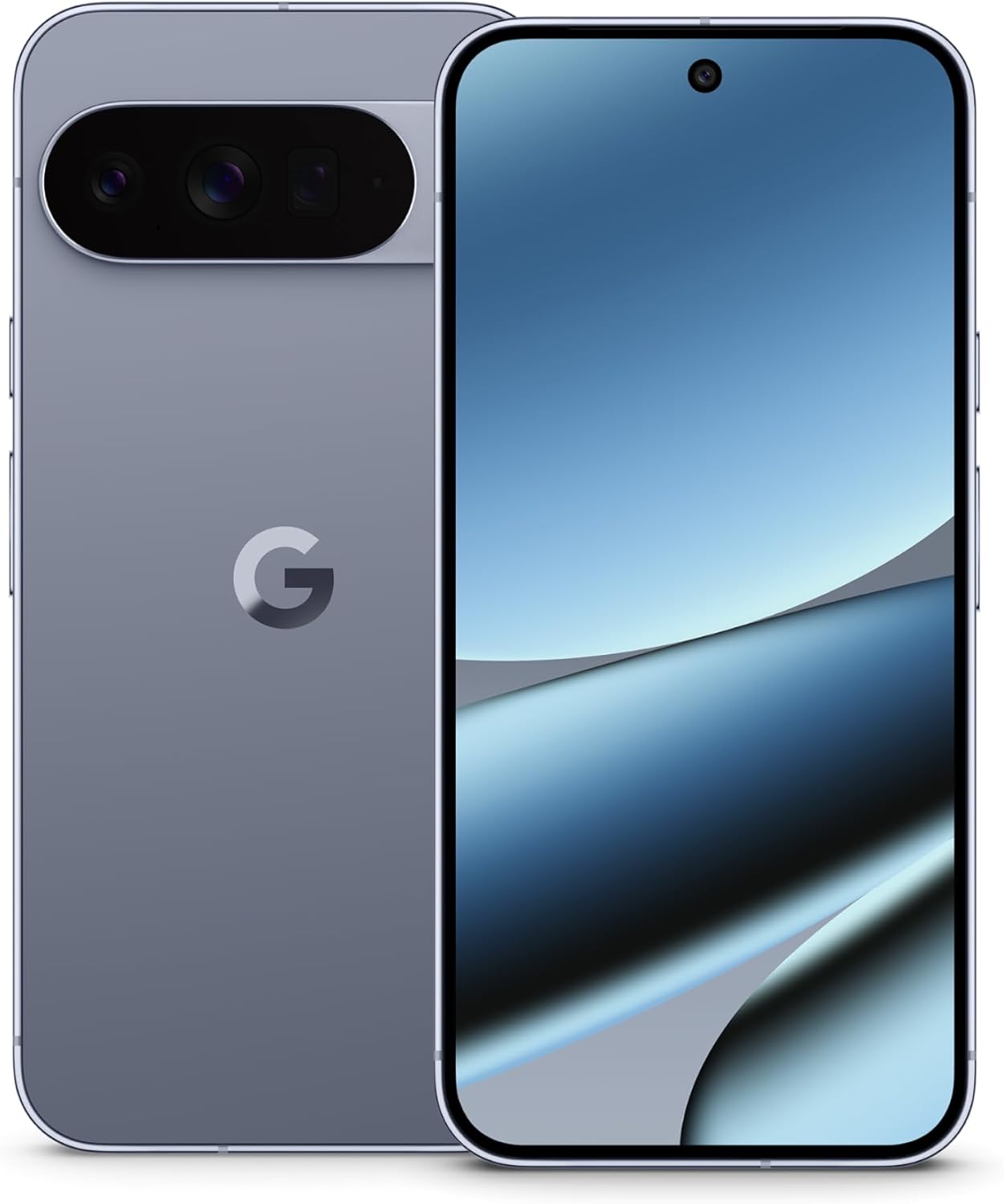
Google Pixel 10 Pro XL
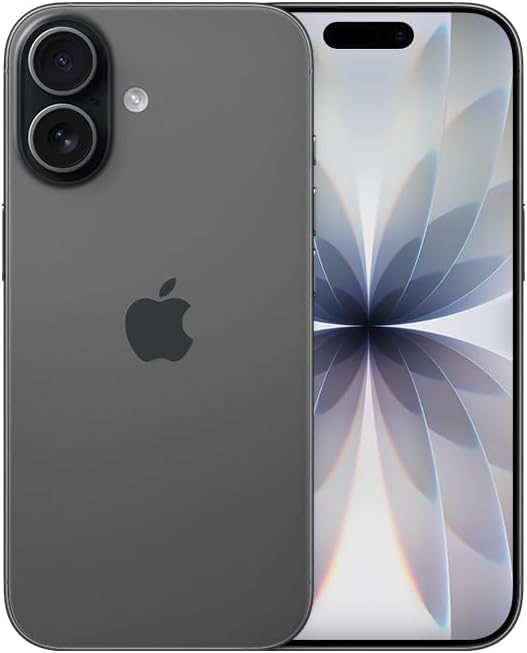
iPhone 17

Samsung Galaxy Z Fold7

OnePlus 13

Xiaomi 15 Ultra

Sony Xperia 1 VII

Nothing Phone (3)

Samsung Galaxy S26
How we chose the best smartphones
For this guide, we ranked phones by the buying situations where each model makes the most sense. A phone can be excellent and still not be the right recommendation for every buyer. The iPhone 17 Pro Max is the safest premium choice for iOS users, the Galaxy S26 Ultra is the most complete Android power-user phone, and the Pixel 10 Pro XL is the most comfortable choice for buyers who want Google’s camera and AI experience. Those are different strengths, and the ranking reflects that.
We looked for phones that offer a clear reason to exist in the lineup. Some phones win because of cameras, some because of software support, some because of battery and performance value, and some because they solve a specific form-factor problem. We also penalized phones that are exciting but difficult to recommend due to limited availability, high replacement costs, weak support windows, or features that only a narrow audience will use.
We also considered long-term ownership. A phone is not just the device you unbox on day one. It is the phone you carry every day, charge every night, drop into bags and pockets, use for banking and photos, and rely on when traveling. Good software support, strong case availability, reliable camera behavior, and battery confidence can matter more than a single benchmark number.
1. iPhone 17 Pro Max — Best Overall Phone
Best for: Premium buyers, iOS users, creators, battery life, video recording
BestGearScout score: 9.6/10
The iPhone 17 Pro Max is the safest premium recommendation for buyers who want the most complete phone rather than the cheapest flagship. It combines class-leading video, a huge display, long support, and excellent ecosystem value.
Why it earns this spot
iPhone 17 Pro Max is evaluated as an everyday device: camera reliability, battery life, software experience, display, performance, and whether the price tier makes sense for Premium buyers, iOS users, creators, battery life, and video recording. Its strongest arguments are Excellent all-around flagship experience and Large 6.9-inch ProMotion OLED display.
What to check before buying
The main caveats are Expensive, especially with higher storage and Large size is not ideal for one-handed use. The specs to re-check before purchase are Display: 6.9-inch Super Retina XDR OLED with ProMotion up to 120Hz, Chip: Apple A19 Pro, and Rear cameras: all-48MP Fusion camera system with the longest zoom yet on an iPhone. Phone recommendations age quickly, so model status, storage configuration, carrier compatibility, and software-support timing should be verified before marking this review final.
Key specs
- Display: 6.9-inch Super Retina XDR OLED with ProMotion up to 120Hz
- Chip: Apple A19 Pro
- Rear cameras: all-48MP Fusion camera system with the longest zoom yet on an iPhone
- Front camera: 18MP Center Stage front camera
- Best placement in lineup: premium iPhone for photography, video, battery, and long-term use
Pros
- Excellent all-around flagship experience
- Large 6.9-inch ProMotion OLED display
- Outstanding video and creator-friendly camera tools
- Long software support and strong resale value
- Best choice for buyers already invested in Apple services
Cons
- Expensive, especially with higher storage
- Large size is not ideal for one-handed use
- Fast charging still trails many Android rivals
- Best experience assumes you like iOS and Apple services
2. Samsung Galaxy S26 Ultra — Best Android Flagship
Best for: Android power users, zoom photography, S Pen fans, multitasking, large screens
BestGearScout score: 9.5/10
The Galaxy S26 Ultra is the Android phone to buy when you want the most capability in one device: big display, stylus, zoom range, AI features, and a productivity-focused software stack.
Why it earns this spot
Samsung Galaxy S26 Ultra is evaluated as an everyday device: camera reliability, battery life, software experience, display, performance, and whether the price tier makes sense for Android power users, zoom photography, S Pen fans, multitasking, and large screens. Its strongest arguments are Huge feature set for Android power users and 200MP main camera and long-range zoom flexibility.
What to check before buying
The main caveats are Very expensive and Large and boxy for smaller hands. The specs to re-check before purchase are Display: large AMOLED flagship display, up to 120Hz, Cameras: 200MP wide, 50MP ultrawide, 10MP 3x telephoto, 50MP 5x telephoto in current listings, and Battery: 5000 mAh class battery in Samsung specs. Phone recommendations age quickly, so model status, storage configuration, carrier compatibility, and software-support timing should be verified before marking this review final.
Key specs
- Display: large AMOLED flagship display, up to 120Hz
- Cameras: 200MP wide, 50MP ultrawide, 10MP 3x telephoto, 50MP 5x telephoto in current listings
- Battery: 5000 mAh class battery in Samsung specs
- Storage: up to 1TB with high-memory configuration depending on market
- Best placement in lineup: maximum-feature Android flagship
Pros
- Huge feature set for Android power users
- 200MP main camera and long-range zoom flexibility
- Large bright display with S Pen support
- Strong multitasking and Galaxy AI features
- Long update window by Android standards
Cons
- Very expensive
- Large and boxy for smaller hands
- Camera processing can look aggressive
- Many features are more than casual users need
3. Google Pixel 10 Pro XL — Best AI Camera Phone
Best for: Point-and-shoot photography, Google AI, clean Android, long updates
BestGearScout score: 9.3/10
The Pixel 10 Pro XL is the most comfortable Android recommendation for people who care about effortless photos, Google services, call features, smart editing tools, and long-term software support.
Why it earns this spot
Google Pixel 10 Pro XL is evaluated as an everyday device: camera reliability, battery life, software experience, display, performance, and whether the price tier makes sense for Point-and-shoot photography, Google AI, clean Android, and long updates. Its strongest arguments are Excellent computational photography and Clean Pixel software with fast Google features.
What to check before buying
The main caveats are Tensor performance is not always the fastest for gaming and Charging is not class-leading. The specs to re-check before purchase are Display: Pixel 10 Pro XL large OLED display with high brightness, Chip: Google Tensor G5, and Rear cameras: 50MP wide, 48MP ultrawide with Macro Focus, 48MP 5x telephoto. Phone recommendations age quickly, so model status, storage configuration, carrier compatibility, and software-support timing should be verified before marking this review final.
Key specs
- Display: Pixel 10 Pro XL large OLED display with high brightness
- Chip: Google Tensor G5
- Rear cameras: 50MP wide, 48MP ultrawide with Macro Focus, 48MP 5x telephoto
- Zoom: Pro Res Zoom up to 100x in Google specs
- Software: 7 years of updates/new features advertised by Google
Pros
- Excellent computational photography
- Clean Pixel software with fast Google features
- 7 years of updates advertised by Google
- Pro camera setup with 5x telephoto
- Great choice for buyers who prefer intelligence over spec-sheet bragging
Cons
- Tensor performance is not always the fastest for gaming
- Charging is not class-leading
- Some AI features depend on region, language, and account support
- Hardware value can vary depending on launch deals
4. iPhone 17 — Best iPhone for Most People
Best for: iOS users, everyday buyers, smaller flagship size, long-term ownership
BestGearScout score: 9/10
The iPhone 17 is the iPhone most people should look at first. It gives mainstream buyers the key upgrades they will actually notice — smoother display, faster chip, better front camera, and strong long-term value — without jumping to Pro Max pricing.
Why it earns this spot
iPhone 17 is evaluated as an everyday device: camera reliability, battery life, software experience, display, performance, and whether the price tier makes sense for iOS users, everyday buyers, smaller flagship size, and long-term ownership. Its strongest arguments are 6.3-inch ProMotion display is a major mainstream upgrade and A19 chip is fast enough for years of use.
What to check before buying
The main caveats are No dedicated telephoto camera and Pro models are still better for video creators. The specs to re-check before purchase are Display: 6.3-inch Super Retina XDR with ProMotion up to 120Hz, Chip: Apple A19, and Rear cameras: 48MP Dual Fusion camera system. Phone recommendations age quickly, so model status, storage configuration, carrier compatibility, and software-support timing should be verified before marking this review final.
Key specs
- Display: 6.3-inch Super Retina XDR with ProMotion up to 120Hz
- Chip: Apple A19
- Rear cameras: 48MP Dual Fusion camera system
- Front camera: 18MP Center Stage front camera
- Best placement in lineup: mainstream iPhone with meaningful display and camera upgrades
Pros
- 6.3-inch ProMotion display is a major mainstream upgrade
- A19 chip is fast enough for years of use
- 48MP Dual Fusion camera system is strong for everyday photos
- More approachable size than Pro Max
- Excellent long-term app and accessory ecosystem
Cons
- No dedicated telephoto camera
- Pro models are still better for video creators
- Charging speed trails many Android rivals
- Not the cheapest good phone
5. Samsung Galaxy Z Fold7 — Best Foldable Phone
Best for: Foldable buyers, multitasking, reading, spreadsheets, travel productivity
BestGearScout score: 8.8/10
The Galaxy Z Fold7 is the phone to consider if you genuinely want a pocketable tablet experience. It is expensive, but it offers more productivity flexibility than any standard slab phone in this list.
Why it earns this spot
Samsung Galaxy Z Fold7 is evaluated as an everyday device: camera reliability, battery life, software experience, display, performance, and whether the price tier makes sense for Foldable buyers, multitasking, reading, spreadsheets, and travel productivity. Its strongest arguments are Large 8-inch internal display is excellent for multitasking and More normal-feeling cover screen than older Fold models.
What to check before buying
The main caveats are Very expensive and Still thicker and more delicate than a regular phone. The specs to re-check before purchase are Main display: 8-inch foldable display in Samsung specs, Cover display: 6.5-inch cover screen in Samsung specs, and Camera: 200MP wide-angle camera highlighted by Samsung. Phone recommendations age quickly, so model status, storage configuration, carrier compatibility, and software-support timing should be verified before marking this review final.
Key specs
- Main display: 8-inch foldable display in Samsung specs
- Cover display: 6.5-inch cover screen in Samsung specs
- Camera: 200MP wide-angle camera highlighted by Samsung
- Battery: 4400 mAh in Samsung listing
- Processor: Snapdragon 8 Elite-class platform in current listings
Pros
- Large 8-inch internal display is excellent for multitasking
- More normal-feeling cover screen than older Fold models
- 200MP main camera brings flagship imaging to the foldable form
- Strong Samsung software for split-screen and floating windows
- Best for people who actually use a phone like a mini tablet
Cons
- Very expensive
- Still thicker and more delicate than a regular phone
- Battery size is modest for a foldable
- No S Pen support according to Samsung US listing
6. OnePlus 13 — Best Performance Value
Best for: Performance buyers, fast charging, battery life, Android value shoppers
BestGearScout score: 8.7/10
The OnePlus 13 is the enthusiast value pick: fast, smooth, long-lasting, and often priced below the most expensive ultra flagships. It is best for buyers who value speed and battery more than brand prestige.
Why it earns this spot
OnePlus 13 is evaluated as an everyday device: camera reliability, battery life, software experience, display, performance, and whether the price tier makes sense for Performance buyers, fast charging, battery life, and Android value shoppers. Its strongest arguments are Snapdragon 8 Elite performance and Large 6000 mAh silicon-carbon battery.
What to check before buying
The main caveats are Camera processing is not always as consistent as Apple, Google, or Samsung and Software support and resale value trail the largest ecosystems. The specs to re-check before purchase are Chip: Snapdragon 8 Elite Mobile Platform, Battery: 6000 mAh silicon-carbon battery in OnePlus listing, and Display: large QHD-class OLED flagship display. Phone recommendations age quickly, so model status, storage configuration, carrier compatibility, and software-support timing should be verified before marking this review final.
Key specs
- Chip: Snapdragon 8 Elite Mobile Platform
- Battery: 6000 mAh silicon-carbon battery in OnePlus listing
- Display: large QHD-class OLED flagship display
- Cameras: Hasselblad-branded triple-camera system
- Durability: IP68/IP69 rating in OnePlus materials
Pros
- Snapdragon 8 Elite performance
- Large 6000 mAh silicon-carbon battery
- Fast wired charging support in many markets
- Smooth OxygenOS experience
- Often undercuts the biggest premium flagships
Cons
- Camera processing is not always as consistent as Apple, Google, or Samsung
- Software support and resale value trail the largest ecosystems
- Carrier support varies by country
- Large size may not suit compact-phone buyers
7. Xiaomi 15 Ultra — Best Camera Hardware
Best for: Mobile photographers, camera hardware fans, zoom, travel photography
BestGearScout score: 8.6/10
The Xiaomi 15 Ultra is the phone for camera-hardware enthusiasts. It is less universally easy to recommend than an iPhone or Pixel, but its sensor and telephoto hardware make it one of the most interesting camera phones available.
Why it earns this spot
Xiaomi 15 Ultra is evaluated as an everyday device: camera reliability, battery life, software experience, display, performance, and whether the price tier makes sense for Mobile photographers, camera hardware fans, zoom, and travel photography. Its strongest arguments are Ambitious Leica camera hardware and 1-inch type main sensor in Xiaomi materials.
What to check before buying
The main caveats are Availability and warranty can vary widely by market and Software preferences are more divisive than Pixel or iPhone. The specs to re-check before purchase are Display: 6.73-inch WQHD+ AMOLED, 3200 x 1440, up to 120Hz, Brightness: 3200 nits multi-scenario peak brightness in Xiaomi specs, and Camera: Leica Summilux lens with 1-inch image sensor main camera. Phone recommendations age quickly, so model status, storage configuration, carrier compatibility, and software-support timing should be verified before marking this review final.
Key specs
- Display: 6.73-inch WQHD+ AMOLED, 3200 x 1440, up to 120Hz
- Brightness: 3200 nits multi-scenario peak brightness in Xiaomi specs
- Camera: Leica Summilux lens with 1-inch image sensor main camera
- Telephoto: Leica 200MP ultra telephoto in Xiaomi materials
- Best placement in lineup: camera-first ultra flagship
Pros
- Ambitious Leica camera hardware
- 1-inch type main sensor in Xiaomi materials
- 200MP ultra telephoto camera in official specs
- Bright 6.73-inch WQHD+ AMOLED display
- Strong pick for buyers who prioritize photos over ecosystem
Cons
- Availability and warranty can vary widely by market
- Software preferences are more divisive than Pixel or iPhone
- Large camera bump and premium price
- Not the simplest phone for casual users
8. Sony Xperia 1 VII — Best Creator Niche Pick
Best for: Creators, Sony camera users, audio fans, microSD users, manual controls
BestGearScout score: 8.3/10
The Xperia 1 VII is not the phone for everyone, but it is one of the most interesting choices for creators, audio fans, and buyers who still want specialist hardware rather than a generic flagship.
Why it earns this spot
Sony Xperia 1 VII is evaluated as an everyday device: camera reliability, battery life, software experience, display, performance, and whether the price tier makes sense for Creators, Sony camera users, audio fans, microSD users, and manual controls. Its strongest arguments are Creator-focused camera and video tools and Walkman-inspired audio improvements in Sony materials.
What to check before buying
The main caveats are Expensive and niche and Availability varies significantly by region. The specs to re-check before purchase are Chip: Snapdragon 8 Elite in Sony materials, Battery: 2-day battery life claim in Sony materials, and Camera: 48MP larger ultra-wide sensor highlighted by Sony. Phone recommendations age quickly, so model status, storage configuration, carrier compatibility, and software-support timing should be verified before marking this review final.
Key specs
- Chip: Snapdragon 8 Elite in Sony materials
- Battery: 2-day battery life claim in Sony materials
- Camera: 48MP larger ultra-wide sensor highlighted by Sony
- Audio: Walkman DNA and high-quality audio focus in Sony materials
- Best placement in lineup: creator and audio enthusiast flagship
Pros
- Creator-focused camera and video tools
- Walkman-inspired audio improvements in Sony materials
- Includes features many flagships dropped, such as expandable storage support in common listings
- Bright Xperia display and Snapdragon 8 Elite performance
- Appeals to buyers who dislike mainstream phone simplification
Cons
- Expensive and niche
- Availability varies significantly by region
- Camera experience is less point-and-shoot than Pixel or iPhone
- Software support is shorter than Apple, Samsung, or Google
9. Nothing Phone (3) — Best Design Alternative
Best for: Design-focused Android buyers, mid-premium value, users who want something different
BestGearScout score: 8.2/10
The Nothing Phone (3) is the phone to pick when you want strong Android performance and a unique identity without paying the highest ultra-flagship prices. It is less universal than a Pixel or Galaxy, but much more memorable.
Why it earns this spot
Nothing Phone (3) is evaluated as an everyday device: camera reliability, battery life, software experience, display, performance, and whether the price tier makes sense for Design-focused Android buyers, mid-premium value, and users who want something different. Its strongest arguments are Distinctive design and software personality and Snapdragon 8s Gen 4 performance.
What to check before buying
The main caveats are Camera consistency may not match the top ultra flagships and Software taste is subjective. The specs to re-check before purchase are Chip: Snapdragon 8s Gen 4, Cameras: four 50MP camera system in Nothing listing, and Storage: 12/256GB and 16/512GB configurations in Nothing listing. Phone recommendations age quickly, so model status, storage configuration, carrier compatibility, and software-support timing should be verified before marking this review final.
Key specs
- Chip: Snapdragon 8s Gen 4
- Cameras: four 50MP camera system in Nothing listing
- Storage: 12/256GB and 16/512GB configurations in Nothing listing
- Ingress protection: IP68 statement with durability caveats in Nothing listing
- Best placement in lineup: design-led mid-premium alternative
Pros
- Distinctive design and software personality
- Snapdragon 8s Gen 4 performance
- Four 50MP camera system in Nothing materials
- Strong price-to-style ratio
- Good choice if you want an Android that does not look generic
Cons
- Camera consistency may not match the top ultra flagships
- Software taste is subjective
- Brand ecosystem is smaller than Apple, Samsung, or Google
- Not the safest choice for buyers who want maximum resale value
10. Samsung Galaxy S26 — Best Compact Android
Best for: Compact Android buyers, Samsung ecosystem users, smaller hands, long update support
BestGearScout score: 8.1/10
The Galaxy S26 is the practical Samsung pick for buyers who want a smaller flagship and long software support without the size, cost, and complexity of the Ultra.
Why it earns this spot
Samsung Galaxy S26 is evaluated as an everyday device: camera reliability, battery life, software experience, display, performance, and whether the price tier makes sense for Compact Android buyers, Samsung ecosystem users, smaller hands, and long update support. Its strongest arguments are More manageable size than most premium Android phones and Samsung software ecosystem and Galaxy AI features.
What to check before buying
The main caveats are Camera hardware is less exciting than Ultra-class phones and Battery life is more limited for heavy users. The specs to re-check before purchase are Display: 6.3-inch flagship AMOLED in current listings, Battery: 4300 mAh rated battery in Samsung S26 series specs, and Cameras: 50MP wide, 12MP ultrawide, 10MP telephoto in Samsung specs. Phone recommendations age quickly, so model status, storage configuration, carrier compatibility, and software-support timing should be verified before marking this review final.
Key specs
- Display: 6.3-inch flagship AMOLED in current listings
- Battery: 4300 mAh rated battery in Samsung S26 series specs
- Cameras: 50MP wide, 12MP ultrawide, 10MP telephoto in Samsung specs
- Software: Android 16 / One UI generation in current reviews
- Best placement in lineup: compact mainstream Samsung flagship
Pros
- More manageable size than most premium Android phones
- Samsung software ecosystem and Galaxy AI features
- Solid triple-camera setup for everyday use
- Long update promise by Android standards
- Better value than Ultra if you do not need zoom or S Pen
Cons
- Camera hardware is less exciting than Ultra-class phones
- Battery life is more limited for heavy users
- Not as compact as older small phones
- Some regions use different chip configurations
Smartphone buying guide: how to choose the right phone
Start with the ecosystem
The biggest smartphone decision is often not the processor or camera sensor. It is whether you want iOS or Android. iPhone buyers get strong app support, long software updates, excellent video quality, strong resale value, and deep integration with Apple Watch, AirPods, Macs, iPads, iMessage, FaceTime, and iCloud. Android buyers get more hardware variety, more customization, foldables, faster charging options, broader price points, and tighter Google or Samsung service integration depending on the brand.
Do not overbuy camera hardware you will not use
Camera marketing can be confusing because more megapixels do not automatically mean better photos. For most buyers, consistency matters more: does the phone focus quickly, expose faces correctly, handle moving subjects, shoot good video, and produce reliable results indoors? iPhone and Pixel models are often safest for point-and-shoot consistency. Samsung Ultra and Xiaomi Ultra models offer more zoom and hardware flexibility. Sony appeals to creators who prefer manual control.
Battery and charging matter differently
A large battery is useful, but charging speed and efficiency also matter. OnePlus stands out for buyers who want fast top-ups. iPhones tend to provide strong standby behavior and long-term battery management, but charge more slowly than many Android rivals. Foldables may have large screens that drain battery faster than their capacity suggests. If you travel often or work long days away from a charger, prioritize battery behavior over thinness.
Foldables are worth it only if you use the big screen
Book-style foldables like the Galaxy Z Fold7 are excellent for multitasking, reading, maps, documents, video, and productivity. But they cost more, are thicker, and can be more fragile than standard phones. Do not buy a foldable only because it looks futuristic. Buy one if the inner display will genuinely change how you use your phone.
Software support should affect your budget
A phone with a long update promise can be cheaper over time because you can keep it longer. Apple, Google, and Samsung are strongest for long-term support among the mainstream choices in this list. Niche and performance-focused Android brands can still be excellent buys, but you should check their specific update policy in your region before paying flagship prices.
Storage is harder to fix later
If you shoot lots of video, download games, store offline maps, or keep a large photo library on-device, choose more storage upfront. Many premium phones no longer support microSD cards. Sony remains appealing for buyers who still value expandable storage, but most buyers should assume that whatever storage they choose at purchase is what they will live with for years.
Common mistakes to avoid
Buying the biggest phone automatically
The largest phone is not always the best phone for you. A big screen is useful for video, maps, multitasking, and editing, but it also means more weight, harder one-handed use, and larger pockets. If you prefer smaller phones, the Galaxy S26 or iPhone 17 may be better long-term choices than an Ultra or Pro Max.
Choosing based on peak zoom alone
Extreme zoom is impressive, but most photos happen at wide, ultrawide, 2x, 3x, and 5x ranges. Do not choose a phone only because of a huge zoom claim unless you actually shoot concerts, sports, wildlife, or distant scenes often.
Ignoring repair, cases, and resale value
Phones are everyday objects. A cheaper phone can become expensive if accessories are hard to find, resale value drops quickly, or repair support is weak in your country. iPhone and Samsung models usually have the strongest accessory ecosystems, while niche phones may need more careful research.
Assuming all AI features are equally useful
AI features vary by region, language, app, and account type. Some are genuinely useful for calls, photos, summarization, and search. Others may feel like demos. Choose a phone for the features you will actually use, not just the longest AI feature list.
FAQ
What is the best smartphone overall in 2026?
For most premium buyers, the iPhone 17 Pro Max is the safest overall pick because it combines camera consistency, video quality, battery life, software support, resale value, and ecosystem strength. Android buyers who want maximum capability should start with the Samsung Galaxy S26 Ultra.
What is the best Android phone right now?
The Galaxy S26 Ultra is the best maximum-feature Android flagship, while the Pixel 10 Pro XL is the best Android pick for buyers who prioritize camera intelligence, Google software, and long-term updates. The OnePlus 13 is the stronger value/performance pick.
What is the best phone for camera quality?
It depends on what kind of camera quality you want. iPhone is strongest for video and consistency, Pixel is excellent for point-and-shoot computational photography, Samsung Ultra gives you the most zoom flexibility, and Xiaomi 15 Ultra is the most exciting camera-hardware option.
Should I buy a foldable phone?
Buy a foldable if you will use the large inner display for reading, multitasking, documents, maps, or travel productivity. If you only want a normal phone that folds smaller, consider a flip foldable. If you do not need either use case, a standard slab phone is usually cheaper, tougher, and simpler.
How much storage do I need?
Most buyers should start at 256GB if they plan to keep a phone for several years. Heavy video shooters, gamers, creators, and travelers may want 512GB or more. If your phone does not support expandable storage, choose carefully at purchase.
How we choose and rank products
We compare products using a consistent editorial framework: real-world use cases, feature depth, long-term value, owner feedback patterns, build quality, warranty/support, and price-to-performance. Scores are updated when product specs, pricing, or availability materially change.


Leave a Reply