
Choosing the best digital camera in 2026 is less about finding one universal winner and more about matching the right camera system to the way you actually shoot. A travel photographer, a parent documenting family life, a YouTube creator, a wedding shooter, a street photographer, and a wildlife enthusiast all need different things from a camera. Sensor size, autofocus, lens availability, video tools, stabilization, ergonomics, weight, and long-term system cost all matter.
How to choose quickly
Choose by shooting style first: travel portability, still-image quality, video workflow, lens ecosystem, or professional hybrid performance.
- Best overall: start with the #1 pick if you want the safest default recommendation.
- Best fit: compare the “Best for” line against your actual use case.
- Before buying: verify dimensions, compatibility, model status and the current Amazon listing.
This guide compares the best current digital cameras across the major buying situations most people care about: full-frame hybrid cameras, APS-C stills cameras, creator cameras, premium compact cameras, beginner mirrorless cameras, and outdoor/wildlife-focused systems. We prioritized cameras that make sense to own long-term, not just bodies with impressive launch specs.
Phones have made casual photography easier than ever, but dedicated cameras still have real advantages: physical controls, optical lenses, raw files, better telephoto options, larger sensors, stronger handling, hot shoes, viewfinders, and upgradeable systems. If you want to improve your photography or build a serious content kit, the right digital camera still matters.
Table of contents
- Quick picks
- Best digital cameras compared
- How we chose these digital cameras
- In-depth reviews
- Digital camera buying guide
- Common camera buying mistakes
- FAQ
- Final verdict
Quick picks: the best digital cameras in 2026
- Sony Alpha 7 V: Best Overall Camera — The Sony Alpha 7 V is the safest premium hybrid recommendation for buyers who want one full-frame camera that can handle travel, family, portraits, events, video, and serious creative work without locking them into a niche body.
- Canon EOS R6 Mark III: Best Canon Hybrid — The EOS R6 Mark III is the Canon body to buy when you want speed, strong autofocus, modern video flexibility, and enough resolution for serious stills without stepping all the way into an ultra-high-resolution flagship.
- Nikon Z6 III: Best Advanced Hybrid Value — The Nikon Z6 III is one of the best advanced hybrid bodies for photographers who want modern speed and serious video features without paying for a larger pro body.
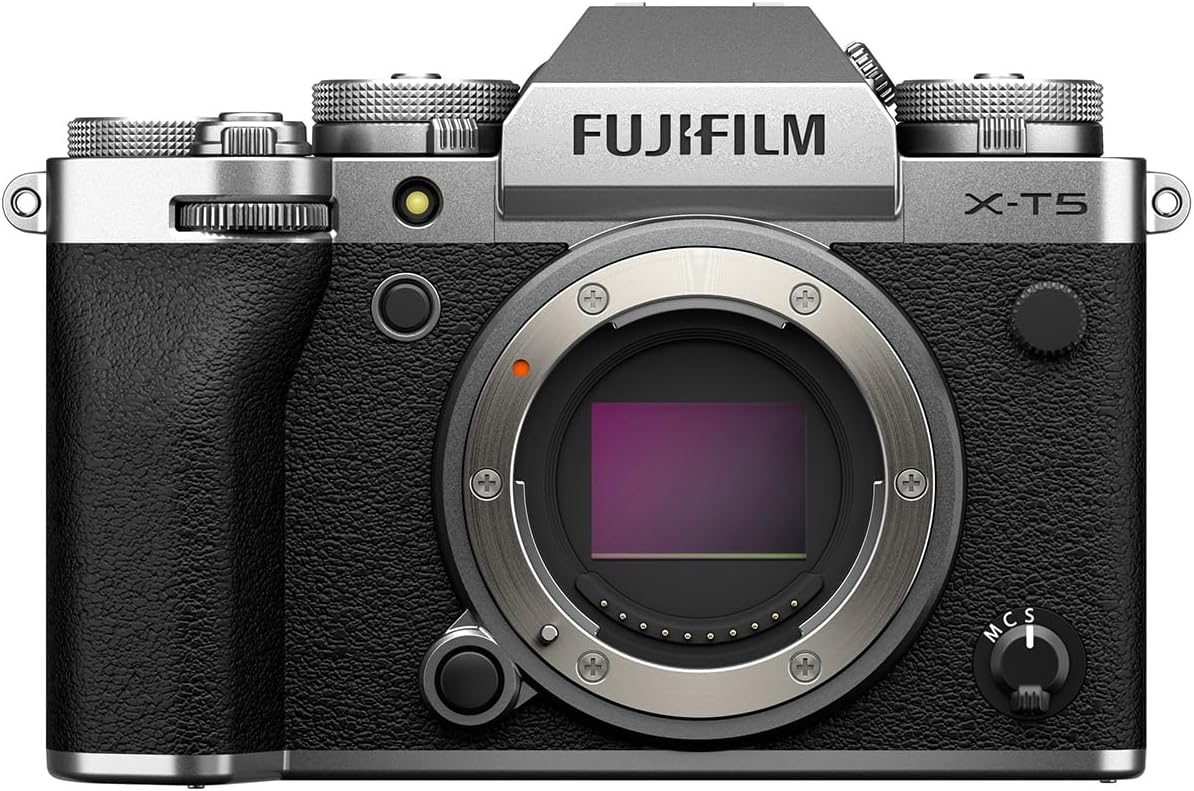
- Fujifilm X-T5: Best APS-C Stills Camera — The Fujifilm X-T5 is the best pick for photographers who want high-resolution stills, classic controls, a compact kit, and a camera that makes shooting feel intentional.
- Fujifilm X100VI: Best Premium Compact — The Fujifilm X100VI is the best premium compact camera for people who want a dedicated everyday photography tool, not just a technically capable device.
- Canon EOS R50: Best Beginner Camera — The Canon EOS R50 is the best beginner camera if you want an approachable mirrorless body that produces better photos than a phone while leaving room to learn lenses and manual controls.
- Sony ZV-E10 II: Best Creator Camera — The Sony ZV-E10 II is the best pick for creators who care more about video, autofocus, compact size, and lens flexibility than traditional camera handling.
- Panasonic Lumix S5IIX: Best Video-Focused Full Frame — The Panasonic Lumix S5IIX is the video-focused full-frame pick for creators who want serious recording tools, strong stabilization, and a body that prioritizes production flexibility.
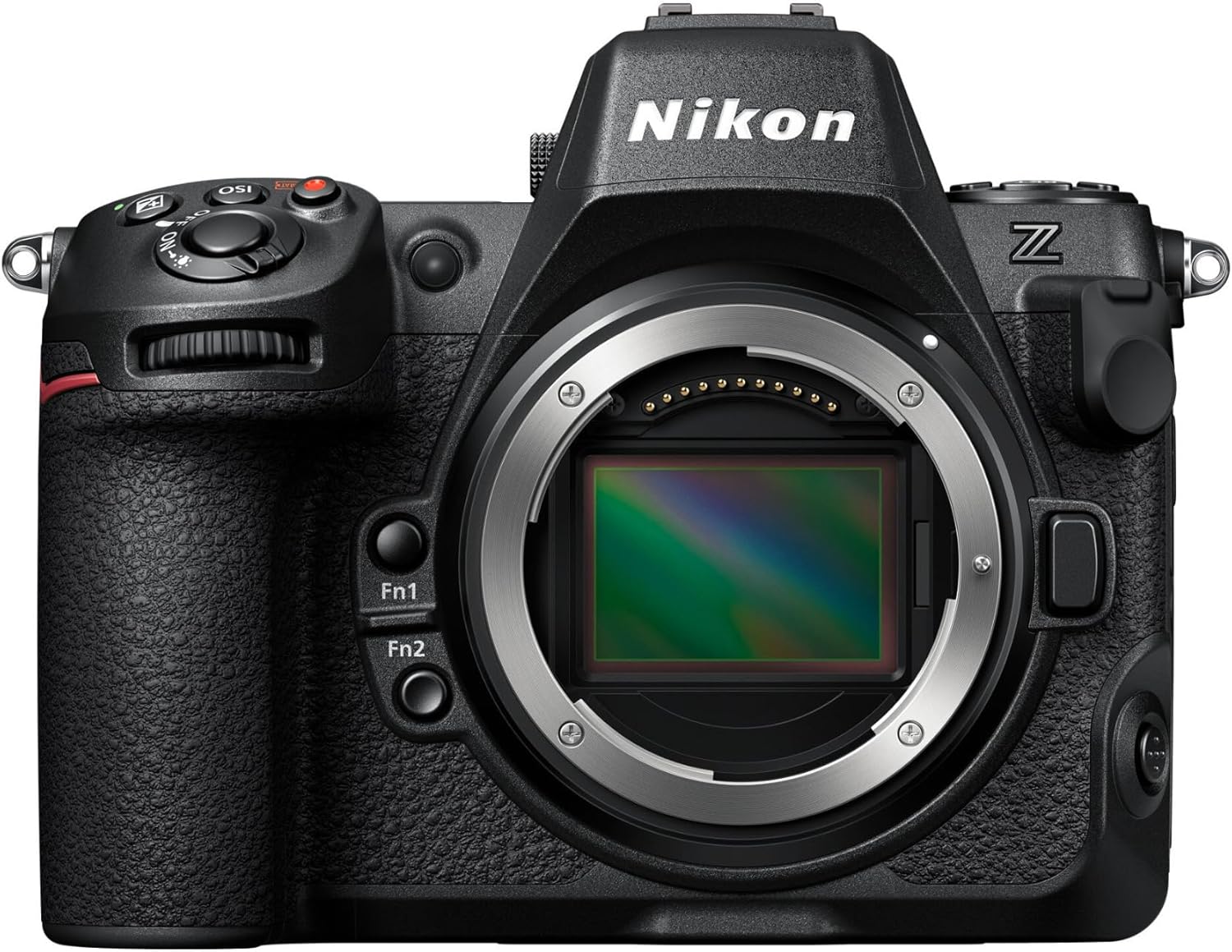
- Nikon Z8: Best Pro Hybrid — The Nikon Z8 is the pro hybrid pick for photographers who want flagship-class performance, high-resolution files, action speed, and serious video in a body smaller than a gripped flagship.
- OM System OM-1 Mark II: Best Outdoor & Wildlife Pick — The OM System OM-1 Mark II is the outdoor specialist: not the highest-resolution or largest-sensor camera, but one of the easiest to recommend for wildlife, hiking, macro, and travel where weather resistance and reach matter.
Best digital cameras compared
Use the comparison below to scan the shortlist by score, best-use case, key pros, watch-outs and shopping link.
The Sony Alpha 7 V is the safest premium hybrid recommendation for buyers who want one full-frame camera that can handle travel, family, portraits, events, video, and serious creative work without locking them into a niche body. Best for: Hybrid creators, enthusiasts, travel photographers, everyday full-frame use The EOS R6 Mark III is the Canon body to buy when you want speed, strong autofocus, modern video flexibility, and enough resolution for serious stills without stepping all the way into an ultra-high-resolution flagship. Best for: Canon users, events, portraits, action, wedding and hybrid shooters The Nikon Z6 III is one of the best advanced hybrid bodies for photographers who want modern speed and serious video features without paying for a larger pro body. Best for: Nikon users, hybrid creators, low-light shooters, advanced enthusiasts The Fujifilm X-T5 is the best pick for photographers who want high-resolution stills, classic controls, a compact kit, and a camera that makes shooting feel intentional. Best for: Travel, street, landscapes, enthusiasts, photographers who prefer dials The Fujifilm X100VI is the best premium compact camera for people who want a dedicated everyday photography tool, not just a technically capable device. Best for: Street photography, travel, everyday carry, documentary-style shooting The Canon EOS R50 is the best beginner camera if you want an approachable mirrorless body that produces better photos than a phone while leaving room to learn lenses and manual controls. Best for: Beginners, families, students, travel, casual content creation The Sony ZV-E10 II is the best pick for creators who care more about video, autofocus, compact size, and lens flexibility than traditional camera handling. Best for: YouTube, vlogging, streaming, travel video, creator kits The Panasonic Lumix S5IIX is the video-focused full-frame pick for creators who want serious recording tools, strong stabilization, and a body that prioritizes production flexibility. Best for: Filmmakers, hybrid video creators, interviews, open-gate workflows The Nikon Z8 is the pro hybrid pick for photographers who want flagship-class performance, high-resolution files, action speed, and serious video in a body smaller than a gripped flagship. Best for: Professional work, wildlife, landscapes, events, high-end hybrid shooting The OM System OM-1 Mark II is the outdoor specialist: not the highest-resolution or largest-sensor camera, but one of the easiest to recommend for wildlife, hiking, macro, and travel where weather resistance and reach matter. Best for: Wildlife, hiking, travel, macro, weather-sealed outdoor photography
Sony Alpha 7 V

Canon EOS R6 Mark III

Nikon Z6 III
Fujifilm X-T5

Fujifilm X100VI

Canon EOS R50

Sony ZV-E10 II

Panasonic Lumix S5IIX
Nikon Z8

OM System OM-1 Mark II
How we chose these digital cameras
This guide prioritizes cameras that make sense for real buyers rather than cameras that win one specification category in isolation. We looked at sensor format, autofocus reliability, lens ecosystem, video options, stabilization, ergonomics, price, upgrade path, portability, and long-term ownership costs.
We also treated the camera body as part of a system. A camera with a strong spec sheet is less useful if the lenses are too expensive, too large, or unavailable for the subjects you want to shoot. For each pick, we considered the likely buyer and the kit they would realistically build around the body.
Because camera needs vary so much, we did not rank purely by megapixels or price. A beginner camera can be a better recommendation than a full-frame flagship for the right person. A fixed-lens compact can be more valuable than an interchangeable-lens camera if it is the camera you will actually carry. A video-first model can outperform a stills-focused camera for creators even if it is not the best still camera.
In-depth reviews
1. Sony Alpha 7 V — Best Overall Camera
Best for: Hybrid creators, enthusiasts, travel photographers, everyday full-frame use
BestGearScout score: 9.6/10
The Sony Alpha 7 V is the safest premium hybrid recommendation for buyers who want one full-frame camera that can handle travel, family, portraits, events, video, and serious creative work without locking them into a niche body.
Why it earns this spot
Sony Alpha 7 V is evaluated as a camera-system decision, not just a body purchase. The ranking weighs image quality, autofocus, video/stills balance, lens ecosystem, handling, and portability for Hybrid creators, enthusiasts, travel photographers, and everyday full-frame use. Its strongest arguments are Excellent all-round balance of stills, autofocus, video, and lens ecosystem and Partially stacked sensor gives faster readout than older do-it-all bodies.
What to check before buying
The main caveats are More expensive than older a7 IV and many APS-C alternatives and Advanced video modes increase storage and battery demands. The specs that deserve the closest look are Sensor: 33.0MP full-frame partially stacked Exmor RS CMOS, Processor: BIONZ XR2 with integrated AI processing unit, and Burst: up to 30 fps blackout-free with AF/AE tracking. Camera buyers should also compare lens costs and the type of shooting they actually do most often.
Key specs
- Sensor: 33.0MP full-frame partially stacked Exmor RS CMOS
- Processor: BIONZ XR2 with integrated AI processing unit
- Burst: up to 30 fps blackout-free with AF/AE tracking
- Video: 4K up to 120p, plus oversampled 4K 60p workflow depending on mode
- Best placement: one-camera kit for serious hybrid creators
Pros
- Excellent all-round balance of stills, autofocus, video, and lens ecosystem
- Partially stacked sensor gives faster readout than older do-it-all bodies
- Strong AI subject recognition for people, animals, vehicles, and everyday tracking
- Large Sony E-mount lens ecosystem
Cons
- More expensive than older a7 IV and many APS-C alternatives
- Advanced video modes increase storage and battery demands
- Not as specialized as dedicated sports or cinema bodies
2. Canon EOS R6 Mark III — Best Canon Hybrid
Best for: Canon users, events, portraits, action, wedding and hybrid shooters
BestGearScout score: 9.5/10
The EOS R6 Mark III is the Canon body to buy when you want speed, strong autofocus, modern video flexibility, and enough resolution for serious stills without stepping all the way into an ultra-high-resolution flagship.
Why it earns this spot
Canon EOS R6 Mark III is evaluated as a camera-system decision, not just a body purchase. The ranking weighs image quality, autofocus, video/stills balance, lens ecosystem, handling, and portability for Canon users, events, portraits, action, and wedding and hybrid shooters. Its strongest arguments are Excellent balance of resolution, speed, autofocus, and video and 32.5MP resolution gives more cropping room than older 24MP bodies.
What to check before buying
The main caveats are RF lens costs can climb quickly and Hybrid video features may be more than casual users need. The specs that deserve the closest look are Sensor: 32.5MP full-frame CMOS, Stabilization: up to 8.5 stops depending on lens and use, and Burst: up to 40 fps with electronic shutter. Camera buyers should also compare lens costs and the type of shooting they actually do most often.
Key specs
- Sensor: 32.5MP full-frame CMOS
- Stabilization: up to 8.5 stops depending on lens and use
- Burst: up to 40 fps with electronic shutter
- Video: 7K RAW/Open Gate options and high-speed 4K modes
- Best placement: Canon full-frame hybrid body for serious shooters
Pros
- Excellent balance of resolution, speed, autofocus, and video
- 32.5MP resolution gives more cropping room than older 24MP bodies
- Strong Canon ergonomics and color science
- Great upgrade path for RF lens users
Cons
- RF lens costs can climb quickly
- Hybrid video features may be more than casual users need
- Not as compact as beginner mirrorless cameras
3. Nikon Z6 III — Best Advanced Hybrid Value
Best for: Nikon users, hybrid creators, low-light shooters, advanced enthusiasts
BestGearScout score: 9.4/10
The Nikon Z6 III is one of the best advanced hybrid bodies for photographers who want modern speed and serious video features without paying for a larger pro body.
Why it earns this spot
Nikon Z6 III is evaluated as a camera-system decision, not just a body purchase. The ranking weighs image quality, autofocus, video/stills balance, lens ecosystem, handling, and portability for Nikon users, hybrid creators, low-light shooters, and advanced enthusiasts. Its strongest arguments are Partially stacked sensor improves speed and rolling-shutter behavior and Excellent video flexibility for the price class.
What to check before buying
The main caveats are 24.5MP is not ideal for heavy cropping or very large prints and Best video workflows require faster cards and more storage. The specs that deserve the closest look are Sensor: 24.5MP full-frame partially stacked CMOS, Video: 6K N-RAW/ProRes RAW and 5.4K ProRes 422 HQ options, and Slow motion: Full HD up to 240p. Camera buyers should also compare lens costs and the type of shooting they actually do most often.
Key specs
- Sensor: 24.5MP full-frame partially stacked CMOS
- Video: 6K N-RAW/ProRes RAW and 5.4K ProRes 422 HQ options
- Slow motion: Full HD up to 240p
- Autofocus: subject detection and advanced tracking
- Best placement: advanced hybrid body for Nikon shooters
Pros
- Partially stacked sensor improves speed and rolling-shutter behavior
- Excellent video flexibility for the price class
- Strong viewfinder and handling
- Good balance of full-frame quality, speed, and file sizes
Cons
- 24.5MP is not ideal for heavy cropping or very large prints
- Best video workflows require faster cards and more storage
- Lens ecosystem is improving but still less broad than Sony E-mount
4. Fujifilm X-T5 — Best APS-C Stills Camera
Best for: Travel, street, landscapes, enthusiasts, photographers who prefer dials
BestGearScout score: 9.2/10
The Fujifilm X-T5 is the best pick for photographers who want high-resolution stills, classic controls, a compact kit, and a camera that makes shooting feel intentional.
Why it earns this spot
Fujifilm X-T5 is evaluated as a camera-system decision, not just a body purchase. The ranking weighs image quality, autofocus, video/stills balance, lens ecosystem, handling, and portability for Travel, street, landscapes, enthusiasts, and photographers who prefer dials. Its strongest arguments are Excellent 40MP image quality in a compact APS-C body and Traditional exposure dials make photography feel direct and tactile.
What to check before buying
The main caveats are Not as video-focused as some hybrid rivals and Autofocus tracking is good but not the class leader for action. The specs that deserve the closest look are Sensor: 40.2MP APS-C X-Trans CMOS 5 HR, Stabilization: five-axis IBIS rated up to 7.0 stops, and Video: 6.2K internal recording options. Camera buyers should also compare lens costs and the type of shooting they actually do most often.
Key specs
- Sensor: 40.2MP APS-C X-Trans CMOS 5 HR
- Stabilization: five-axis IBIS rated up to 7.0 stops
- Video: 6.2K internal recording options
- Viewfinder: 3.69 million-dot EVF
- Body weight: about 557g according to Fujifilm
Pros
- Excellent 40MP image quality in a compact APS-C body
- Traditional exposure dials make photography feel direct and tactile
- Strong lens ecosystem for travel and everyday shooting
- Good balance of resolution, size, and stabilization
Cons
- Not as video-focused as some hybrid rivals
- Autofocus tracking is good but not the class leader for action
- High-resolution APS-C files require better lenses and technique
5. Fujifilm X100VI — Best Premium Compact
Best for: Street photography, travel, everyday carry, documentary-style shooting
BestGearScout score: 9.1/10
The Fujifilm X100VI is the best premium compact camera for people who want a dedicated everyday photography tool, not just a technically capable device.
Why it earns this spot
Fujifilm X100VI is evaluated as a camera-system decision, not just a body purchase. The ranking weighs image quality, autofocus, video/stills balance, lens ecosystem, handling, and portability for Street photography, travel, everyday carry, and documentary-style shooting. Its strongest arguments are Beautiful fixed-lens shooting experience and Compact enough to carry more often than interchangeable-lens kits.
What to check before buying
The main caveats are Fixed lens is limiting if you need telephoto or ultra-wide angles and High demand can make availability and pricing frustrating. The specs that deserve the closest look are Sensor: 40.2MP APS-C X-Trans CMOS 5 HR, Lens: fixed FUJINON 23mm f/2 equivalent to about 35mm full-frame field of view, and Stabilization: in-body image stabilization added to the X100 line. Camera buyers should also compare lens costs and the type of shooting they actually do most often.
Key specs
- Sensor: 40.2MP APS-C X-Trans CMOS 5 HR
- Lens: fixed FUJINON 23mm f/2 equivalent to about 35mm full-frame field of view
- Stabilization: in-body image stabilization added to the X100 line
- Video: up to 6.2K/30p 4:2:2 10-bit internal recording
- Best placement: premium everyday carry camera
Pros
- Beautiful fixed-lens shooting experience
- Compact enough to carry more often than interchangeable-lens kits
- 40MP sensor gives meaningful crop flexibility
- Film simulations and hybrid viewfinder make shooting feel distinctive
Cons
- Fixed lens is limiting if you need telephoto or ultra-wide angles
- High demand can make availability and pricing frustrating
- Not the best choice as a single camera for every assignment
6. Canon EOS R50 — Best Beginner Camera
Best for: Beginners, families, students, travel, casual content creation
BestGearScout score: 8.9/10
The Canon EOS R50 is the best beginner camera if you want an approachable mirrorless body that produces better photos than a phone while leaving room to learn lenses and manual controls.
Why it earns this spot
Canon EOS R50 is evaluated as a camera-system decision, not just a body purchase. The ranking weighs image quality, autofocus, video/stills balance, lens ecosystem, handling, and portability for Beginners, families, students, travel, and casual content creation. Its strongest arguments are Beginner-friendly size, controls, and price and Good still image quality for family, travel, and everyday use.
What to check before buying
The main caveats are No in-body stabilization and Small body can feel cramped with large lenses. The specs that deserve the closest look are Sensor: 24.2MP APS-C CMOS, Processor: DIGIC X, and Autofocus: Dual Pixel CMOS AF. Camera buyers should also compare lens costs and the type of shooting they actually do most often.
Key specs
- Sensor: 24.2MP APS-C CMOS
- Processor: DIGIC X
- Autofocus: Dual Pixel CMOS AF
- Video: 4K 30p from oversampled 6K capture in common configurations
- Best placement: first interchangeable-lens camera
Pros
- Beginner-friendly size, controls, and price
- Good still image quality for family, travel, and everyday use
- Canon color and autofocus are easy to live with
- RF/RF-S lens mount gives room to grow
Cons
- No in-body stabilization
- Small body can feel cramped with large lenses
- Lens selection for budget RF-S users is still developing
7. Sony ZV-E10 II — Best Creator Camera
Best for: YouTube, vlogging, streaming, travel video, creator kits
BestGearScout score: 8.8/10
The Sony ZV-E10 II is the best pick for creators who care more about video, autofocus, compact size, and lens flexibility than traditional camera handling.
Why it earns this spot
Sony ZV-E10 II is evaluated as a camera-system decision, not just a body purchase. The ranking weighs image quality, autofocus, video/stills balance, lens ecosystem, handling, and portability for YouTube, vlogging, streaming, travel video, and creator kits. Its strongest arguments are Excellent video-first feature set for creators and Compact and light enough for travel and handheld content.
What to check before buying
The main caveats are No built-in electronic viewfinder and Not as satisfying as a stills camera for traditional photographers. The specs that deserve the closest look are Sensor: 26MP APS-C Exmor R CMOS, Video: 4K up to 60p, 10-bit workflows depending on settings, and Autofocus: Sony Fast Hybrid AF and subject tracking. Camera buyers should also compare lens costs and the type of shooting they actually do most often.
Key specs
- Sensor: 26MP APS-C Exmor R CMOS
- Video: 4K up to 60p, 10-bit workflows depending on settings
- Autofocus: Sony Fast Hybrid AF and subject tracking
- Screen: vari-angle creator-friendly display
- Best placement: compact interchangeable-lens video kit
Pros
- Excellent video-first feature set for creators
- Compact and light enough for travel and handheld content
- Strong autofocus for talking-head and product content
- Uses Sony E-mount lenses
Cons
- No built-in electronic viewfinder
- Not as satisfying as a stills camera for traditional photographers
- Rolling shutter and heat/storage demands should be considered for long video shoots
8. Panasonic Lumix S5IIX — Best Video-Focused Full Frame
Best for: Filmmakers, hybrid video creators, interviews, open-gate workflows
BestGearScout score: 8.7/10
The Panasonic Lumix S5IIX is the video-focused full-frame pick for creators who want serious recording tools, strong stabilization, and a body that prioritizes production flexibility.
Why it earns this spot
Panasonic Lumix S5IIX is evaluated as a camera-system decision, not just a body purchase. The ranking weighs image quality, autofocus, video/stills balance, lens ecosystem, handling, and portability for Filmmakers, hybrid video creators, interviews, and open-gate workflows. Its strongest arguments are Excellent video toolset for the money and Phase Hybrid AF improves Panasonic's usability for moving subjects.
What to check before buying
The main caveats are Still-photo autofocus ecosystem perception trails Canon/Sony/Nikon for some buyers and L-mount lens choices can be excellent but may be less familiar. The specs that deserve the closest look are Sensor: full-frame L-mount mirrorless design, Autofocus: Phase Hybrid AF, and Video: high-grade video modes including open-gate style workflows. Camera buyers should also compare lens costs and the type of shooting they actually do most often.
Key specs
- Sensor: full-frame L-mount mirrorless design
- Autofocus: Phase Hybrid AF
- Video: high-grade video modes including open-gate style workflows
- Stabilization: strong in-body image stabilization
- Best placement: budget-conscious full-frame video production
Pros
- Excellent video toolset for the money
- Phase Hybrid AF improves Panasonic's usability for moving subjects
- Open-gate and professional recording options are useful for multi-format creators
- Strong stabilization for handheld video
Cons
- Still-photo autofocus ecosystem perception trails Canon/Sony/Nikon for some buyers
- L-mount lens choices can be excellent but may be less familiar
- Video features may be overkill for casual users
9. Nikon Z8 — Best Pro Hybrid
Best for: Professional work, wildlife, landscapes, events, high-end hybrid shooting
BestGearScout score: 8.6/10
The Nikon Z8 is the pro hybrid pick for photographers who want flagship-class performance, high-resolution files, action speed, and serious video in a body smaller than a gripped flagship.
Why it earns this spot
Nikon Z8 is evaluated as a camera-system decision, not just a body purchase. The ranking weighs image quality, autofocus, video/stills balance, lens ecosystem, handling, and portability for Professional work, wildlife, landscapes, events, and high-end hybrid shooting. Its strongest arguments are Flagship-level image quality and speed in a smaller body than the Z9 and Excellent subject detection and tracking for action.
What to check before buying
The main caveats are Expensive body and storage requirements and Overkill for casual photographers. The specs that deserve the closest look are Sensor: 45.7MP full-frame stacked CMOS, Processor: EXPEED 7, and Burst: up to 120 fps modes and pre-release capture. Camera buyers should also compare lens costs and the type of shooting they actually do most often.
Key specs
- Sensor: 45.7MP full-frame stacked CMOS
- Processor: EXPEED 7
- Burst: up to 120 fps modes and pre-release capture
- Video: RAW video up to 8.3K/60p and 4K UHD/120p
- Best placement: pro-grade Nikon hybrid body
Pros
- Flagship-level image quality and speed in a smaller body than the Z9
- Excellent subject detection and tracking for action
- High-resolution stills plus serious 8K video capability
- Robust professional handling
Cons
- Expensive body and storage requirements
- Overkill for casual photographers
- Large lenses are needed to fully exploit the system
10. OM System OM-1 Mark II — Best Outdoor & Wildlife Pick
Best for: Wildlife, hiking, travel, macro, weather-sealed outdoor photography
BestGearScout score: 8.5/10
The OM System OM-1 Mark II is the outdoor specialist: not the highest-resolution or largest-sensor camera, but one of the easiest to recommend for wildlife, hiking, macro, and travel where weather resistance and reach matter.
Why it earns this spot
OM System OM-1 Mark II is evaluated as a camera-system decision, not just a body purchase. The ranking weighs image quality, autofocus, video/stills balance, lens ecosystem, handling, and portability for Wildlife, hiking, travel, macro, and weather-sealed outdoor photography. Its strongest arguments are Excellent outdoor durability and portability and Very fast burst modes and computational features.
What to check before buying
The main caveats are Smaller sensor has limits for high ISO and maximum dynamic range and Not ideal if you need full-frame depth-of-field control. The specs that deserve the closest look are Sensor: 20MP stacked Micro Four Thirds sensor class, Burst: up to 120 fps modes depending on AF/AE configuration, and Stabilization: up to 8.5 EV steps in compatible configurations. Camera buyers should also compare lens costs and the type of shooting they actually do most often.
Key specs
- Sensor: 20MP stacked Micro Four Thirds sensor class
- Burst: up to 120 fps modes depending on AF/AE configuration
- Stabilization: up to 8.5 EV steps in compatible configurations
- Weather sealing: built for demanding outdoor use
- Best placement: lightweight wildlife and travel telephoto kit
Pros
- Excellent outdoor durability and portability
- Very fast burst modes and computational features
- Micro Four Thirds lenses keep telephoto kits smaller
- Great for hiking, birding, macro, and travel
Cons
- Smaller sensor has limits for high ISO and maximum dynamic range
- Not ideal if you need full-frame depth-of-field control
- 20MP resolution is modest for heavy cropping
Digital camera buying guide: how to choose the right camera
Start with what you shoot, not the camera body
The biggest mistake most buyers make is starting with a camera body instead of a use case. A wildlife photographer needs fast autofocus, long lens support, weather sealing, and reach. A travel photographer may care more about size, weight, stabilization, and battery life. A portrait photographer needs lens choices and pleasing files. A creator needs reliable autofocus, audio options, screen articulation, and video settings that match the edit workflow.
Before buying, write down your three most common uses. For example: “family and travel,” “YouTube and product shots,” “wildlife and hiking,” or “portraits and weddings.” Then choose the camera system that supports those uses. This prevents buying a high-spec body that is impressive but poorly matched to your day-to-day photography.
Full-frame vs APS-C vs Micro Four Thirds
Full-frame cameras generally offer stronger low-light quality, wider dynamic range, shallower depth of field, and a professional lens ecosystem. They are ideal for weddings, portraits, events, commercial work, and serious hybrid shooting. The trade-off is size and cost: full-frame lenses can be expensive and heavy.
APS-C cameras are smaller and often better for travel, street photography, learning, and everyday shooting. A camera like the Fujifilm X-T5 can produce extremely detailed files while keeping lens sizes reasonable. APS-C is also a good format for creators who want better quality than a phone without committing to a large full-frame kit.
Micro Four Thirds remains useful for outdoor and wildlife shooters because equivalent telephoto reach can be smaller and lighter. The OM System OM-1 Mark II shows why the format still matters: speed, weather sealing, stabilization, and compact telephoto kits can matter more than sensor size when you are hiking or tracking birds.
Do megapixels matter?
Megapixels matter, but not in the way marketing suggests. More resolution gives you cropping flexibility and larger print potential, but it also creates larger files and demands better lenses, steadier technique, and more storage. A 24MP or 33MP full-frame camera can be more than enough for most buyers. A 40MP APS-C or 45MP full-frame camera makes sense if you crop, print large, shoot landscapes, or need commercial detail.
Autofocus matters more than most beginners expect
Modern autofocus is one of the biggest reasons to choose a newer camera. Subject detection for people, animals, birds, vehicles, or products can dramatically improve hit rates. If you shoot kids, pets, sports, wildlife, events, or yourself on video, autofocus reliability may matter more than a small difference in sensor resolution.
Video features can change the buying decision
If you shoot video seriously, look beyond the headline resolution. Consider recording limits, heat management, codecs, 10-bit options, log profiles, stabilization, headphone and microphone support, HDMI, rolling shutter, crop factors, and whether the screen works for your filming style. The Panasonic Lumix S5IIX and Sony ZV-E10 II are good examples of cameras chosen partly because their video experience is central to the product, not an afterthought.
Lens ecosystem is the real long-term cost
A camera body may last several years, but lenses shape your system for much longer. Before buying a camera, price out the lenses you will actually need. A beginner may need only a kit zoom and a small prime. A wedding shooter may need fast zooms and primes. A wildlife shooter may need a long telephoto. The total kit cost can make one system much more sensible than another.
Do you need a compact camera instead?
A fixed-lens camera like the Fujifilm X100VI makes sense if you value portability and shooting experience over flexibility. You give up lens changes, but you gain a camera that is easier to carry every day. For street, travel, and documentary-style work, that can be a better trade-off than owning a more capable camera that stays at home.
Common mistakes to avoid when buying a digital camera
Buying the most expensive body before choosing lenses
A premium body with the wrong lens is less useful than a modest body with the right glass. Always build a sample kit before committing to a system.
Overbuying for casual use
If you mostly want family photos and travel memories, a beginner mirrorless camera or compact system may be more enjoyable than a heavy full-frame body.
Ignoring size and weight
The best camera is often the one you carry. Full-frame image quality is appealing, but if the kit is too heavy, you may shoot less.
Confusing video resolution with video usability
6K or 8K recording sounds impressive, but overheating, storage, editing workflow, crop factors, and autofocus can matter more.
Forgetting memory cards, batteries and accessories
Some cameras require fast cards, extra batteries, chargers, microphones, cages, or filters. Include accessories in your real budget.
FAQ
What is the best digital camera for most people in 2026?
For serious buyers who want one camera to do many things well, the Sony Alpha 7 V is the strongest overall pick. For beginners, the Canon EOS R50 is easier and cheaper. For travel and street photography, the Fujifilm X100VI or Fujifilm X-T5 may be more enjoyable.
Should I buy full-frame or APS-C?
Choose full-frame if you want the strongest low-light flexibility, professional lens options, and shallow depth-of-field control. Choose APS-C if you want a smaller, less expensive, more travel-friendly kit that still produces excellent images.
Are dedicated cameras still worth buying when phones are so good?
Yes, if you care about lenses, viewfinders, handling, raw files, telephoto quality, low-light control, professional workflows, or the experience of photography. Phones are excellent for casual shooting, but dedicated cameras still offer creative control and system flexibility.
What camera should a beginner buy?
The Canon EOS R50 is the safest beginner pick here because it is small, friendly, affordable, and produces strong results without forcing a complicated workflow.
What camera is best for YouTube or creators?
The Sony ZV-E10 II is the most creator-focused pick because it emphasizes video, autofocus, compact size, and lens flexibility. The Panasonic Lumix S5IIX is better for creators who want a more serious full-frame production tool.
What camera is best for wildlife and hiking?
The OM System OM-1 Mark II is the strongest outdoor/wildlife pick for buyers who value reach, weather sealing, speed, and a lighter telephoto kit. The Nikon Z8 is the higher-end full-frame option if budget and weight are less limiting.
Final verdict: which digital camera should you buy?
Buy the Sony Alpha 7 V if you want the safest premium full-frame hybrid choice. Buy the Canon EOS R6 Mark III if you are invested in Canon RF lenses and want a powerful stills/video body. Buy the Nikon Z6 III if you want advanced hybrid performance and strong video value. Buy the Fujifilm X-T5 if you care most about still photography, compact lenses, and tactile controls.
Buy the Fujifilm X100VI if you want a premium everyday compact camera. Buy the Canon EOS R50 if you are a beginner. Buy the Sony ZV-E10 II if you are building a creator kit. Buy the Panasonic Lumix S5IIX if video is the priority. Buy the Nikon Z8 if you need pro hybrid power, or the OM System OM-1 Mark II if you want a rugged outdoor camera with lightweight reach.
How we choose and rank products
We compare products using a consistent editorial framework: real-world use cases, feature depth, long-term value, owner feedback patterns, build quality, warranty/support, and price-to-performance. Scores are updated when product specs, pricing, or availability materially change.


Leave a Reply