
Women’s hiking shoes and women’s hiking boots overlap, but they are not interchangeable. A low shoe usually wins for easy movement, hot-weather comfort and light day hiking. A mid or trekking boot makes more sense when you want ankle coverage, waterproof protection, rough-trail confidence or better support under a heavier pack.
Last updated: May 5, 2026
We refresh this guide when new products, stronger alternatives, or important specification changes affect the recommendations.
Quick verdict
Choose women’s hiking shoes for lighter day hikes, travel and warm weather. Choose women’s hiking boots for wet trails, rocky descents, shoulder-season hiking, ankle coverage and heavier day loads.
Best picks for this situation
The cards in this guide are not repeated here as a generic top-ten list. Each product is included because it answers a specific fit, terrain or weather question. Use the short verdict below each card as a shortcut, then read the surrounding comparison notes to decide whether that trade-off matters for your hikes.
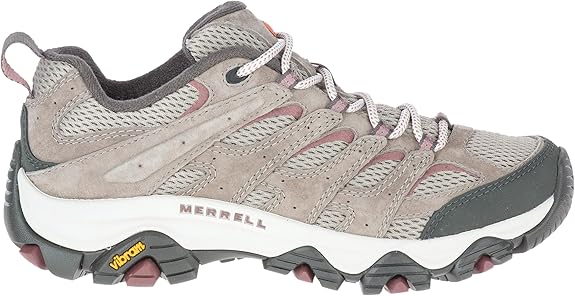
Best low-cut default: Merrell Moab 3 vs Merrell Moab 3 Mid
The Moab comparison is the easiest way to understand the category split. The low shoe is simpler for everyday trails; the mid boot adds coverage and wet-trail confidence.

How to choose within this group
- Choose the low Moab when you mostly hike maintained trails and want easier step-in comfort.
- Choose the mid Moab when wet grass, mud, ankle coverage or light pack weight matter more.
- Both make sense for value-focused hikers, so the decision is mainly cut height and weather rather than brand preference.
Best for: Most day hikers, wide feet, value buyers, established trails The Moab 3 is the safest default hiking shoe for buyers who want proven comfort, a forgiving fit, and dependable trail grip without moving into premium prices. Best for: Most women day hikers, wide-size shoppers, mixed trails and value-focused waterproof boot buyers The Moab 3 Mid Waterproof is the safest default women’s hiking boot in this list because it combines a familiar fit, useful waterproofing, a supportive mid cut and a proven Vibram outsole without pushing into premium boot pricing.Merrell Moab 3 Hiking Shoe
9.3/10
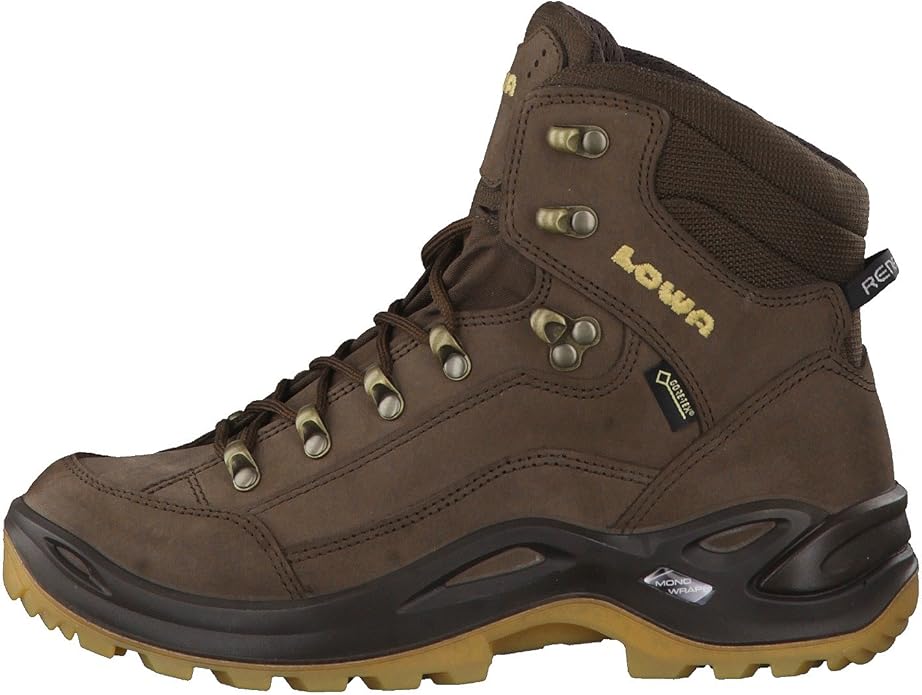
Best technical split: Salomon X Ultra 4 GTX vs LOWA Renegade GTX Mid
Technical day hikers often compare precise low shoes against traditional boots. Salomon feels more agile; LOWA feels more boot-like and supportive.

How to choose within this group
- Choose Salomon for fast wet day hikes and downhill control with a low-cut feel.
- Choose LOWA when you want a more traditional trekking platform for rougher terrain.
- Fit is the deciding factor: precision is helpful only if it does not create pressure.
Best for: Steep day hikes, wet trails, technical terrain, hikers who like a precise fit The X Ultra 4 Gore-TEX is the technical pick for hikers who want waterproof protection, confident downhill control, and a more agile feel than a traditional hiking shoe. Best for: Women who prefer classic trekking support, medium-width fit, wet-weather protection and light backpacking stability The Renegade GTX Mid remains the classic women’s trekking-boot choice: more supportive and structured than light hybrids, but still flexible enough for day hikes and lighter backpacking routes.
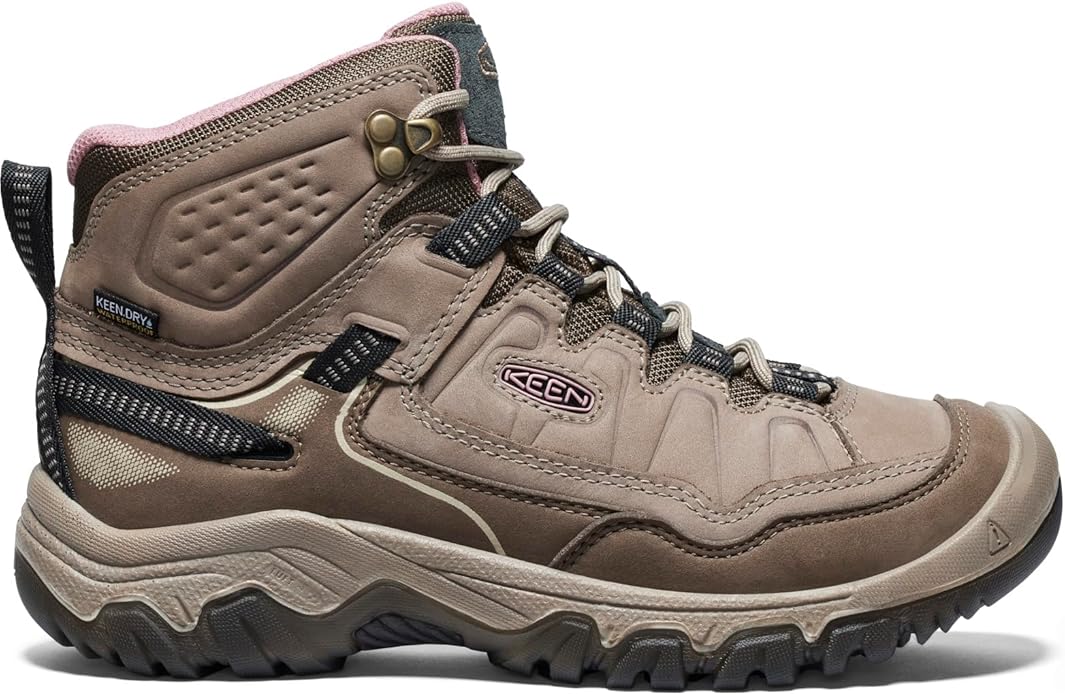
Best roomy-foot comparison: KEEN Targhee IV low vs KEEN Targhee IV Mid
Women who need more toe room often land on KEEN. The low shoe keeps the easy walking feel; the mid boot adds protection and more upper coverage.

How to choose within this group
- Choose the low KEEN if toe room matters but your trails are still moderate.
- Choose the mid KEEN if you want the same comfort direction with more wet-trail and ankle coverage.
- Narrow heels should pay attention to heel lock and sock thickness.
Best for: Wide feet, comfort-first hikers, wet day hikes, durable everyday trail use The Targhee IV Waterproof is the comfort-first choice when you want a roomier forefoot, waterproof lining, and a more durable build than a lightweight trail runner. Best for: Women who want toe room, a durable waterproof boot, protective uppers and a more forgiving hiking fit The Targhee IV Mid Waterproof is the strongest comfort-first women’s boot here, especially for hikers who dislike narrow toe boxes and want a protective waterproof hiker for uneven trails.
Best zero-drop split: Altra Lone Peak 9 vs Altra Timp Hiker GTX
Altra is for hikers who already like a roomy toe box and zero-drop geometry. The Lone Peak is a trail-shoe crossover; the Timp Hiker GTX adds waterproof hiking coverage.


How to choose within this group
- Choose Lone Peak for hot dry trails and fast light hikes.
- Choose Timp Hiker GTX when you want Altra shape with weather protection and a higher cut.
- Do not switch to zero drop for a long hike unless your feet and calves are already adapted.
Best for: Wide toe boxes, hot dry trails, fast day hikes, hikers transitioning from trail runners The Lone Peak 9 is the zero-drop trail-shoe option for hikers who want foot-shaped room, low weight, and a closer ground feel on dry or moderate trails. Best for: Women who already like zero-drop footwear, roomy toe boxes, lightweight hiking and trail-runner comfort with waterproof ankle coverage The Timp Hiker GTX is the best lightweight zero-drop boot here for women who want ankle coverage and waterproofing but still prefer a trail-runner-style feel over traditional boot stiffness.Altra Lone Peak 9 Trail Shoe
8.3/10
How to avoid choosing the wrong hiking footwear
Most bad hiking-footwear purchases come from choosing the product that looks best on paper instead of the one that matches the route. Start with trail surface, weather, pack weight and fit. Only after that should you compare waterproof membranes, outsole names, heel-to-toe drop, weight claims or price labels.
Trail surface
Gravel paths and groomed park trails do not demand the same support as rocky descents or rooty forest routes. Low shoes are easier to wear on simple terrain. Mid and high boots start to matter when edges, ruts and rough footing make stability more important.
Weather
Waterproof footwear helps in wet grass, rain and muddy shoulder-season hikes, but it can run warmer and dry more slowly after water enters from the collar. In hot dry weather, a breathable low shoe or trail-runner crossover can feel better over the full day.
Fit shape
Women’s hiking footwear varies widely in toe-box shape, heel hold and volume. A roomy forefoot is useful only if the heel still locks down. A precise shoe is useful only if it does not create pressure on long descents.
Pack weight
A light daypack makes low shoes and fast hikers more attractive. Heavier water, camera gear, child-carrying loads or light backpacking can make boot structure worth the extra weight and warmth.
FAQ
Are hiking boots always safer than hiking shoes?
No. Boots can feel more secure on rough terrain, but a well-fitting low shoe can be safer than a poorly fitting boot on easy trails. Fit, outsole grip and terrain matter more than cut height alone.
Do women need hiking boots for day hikes?
Not always. Many day hikes are better matched to low shoes, especially in warm weather or when the route is well maintained. Boots make more sense when wet conditions, rocks, mud or pack weight are part of the trip.
Should beginners buy shoes or boots first?
Beginners who hike easy trails can start with a comfortable low shoe or mid boot. If the first hikes are muddy, rocky or cold, a mid waterproof boot is the safer default.
Final verdict
The best choice is not one universal shoe or boot. Choose the lowest, lightest option that still gives you enough traction, fit security and protection for the route. Move up to a mid or trekking boot when weather, pack weight, ankle coverage or rocky terrain becomes the problem you need to solve.
Leave a Reply