
The best women’s hiking shoes in 2026 are no longer one simple category. Some are classic low-cut hikers with leather, mesh, and sturdy soles. Some are waterproof technical shoes for steep descents. Others are trail-running crossovers that make more sense for fast day hikes than heavy backpacking. This guide focuses on women’s hiking-shoe listings you can realistically compare on Amazon now, with recommendations written around trail use, fit shape, width options, waterproofing, cushioning, and the product details that matter before you add an affiliate URL.
How to choose women’s hiking shoes quickly
Start with your terrain, then choose the women’s shoe style that matches it. A comfortable all-round hiking shoe is best for most day hikers, a technical waterproof shoe is better for steeper or wetter trails, and a trail-runner crossover only makes sense if you carry light and already like a flexible ride. Fit is especially important: check women’s size range, width availability, toe-box shape, heel hold, and whether the Amazon listing is the exact waterproof or non-waterproof version you intend to recommend.
- Best overall: choose Merrell Moab 3 if you want the safest women’s day-hiking default.
- Best waterproof technical pick: choose Salomon X Ultra 4 Gore-TEX if traction and downhill control matter most.
- Best comfort/wide fit: choose KEEN Targhee IV Waterproof if toe room is a priority.
- Before buying: verify women’s sizing, wide/standard width, waterproof vs non-waterproof version, colorway, ASIN, and current Amazon size availability.
Quick picks: women’s hiking shoes for 2026
- #1 — Merrell Moab 3 Women’s Hiking Shoe: The most sensible default if you want comfort, a forgiving fit, and dependable trail performance without overspending.
- #2 — Salomon X Ultra 4 Gore-TEX Women’s Hiking Shoe: The sharper technical option for steeper hikes, wet trails, and hikers who want better downhill control.
- #3 — KEEN Targhee IV Women’s Waterproof Hiking Shoe: The comfort-first waterproof choice if toe room and a sturdier trail feel matter more than low weight.
- #4 — HOKA Anacapa 2 Low GTX: The cushioned pick for long days on maintained trails where a softer, rockered ride is the priority.
- #5 — La Sportiva Spire GTX: The premium low-cut shoe for rocky routes, fast hiking, and buyers who want boot-like protection without a mid cut.
- #6 — Danner Trail 2650 Women’s Hiking Shoe: The travel-friendly hiker for dry trails, casual wear, and buyers who want less outdoor-bulky styling.
- #7 — adidas Terrex Swift R3 GTX: The firm, secure waterproof option for hikers who prefer locked-in support over plush cushioning.
- #8 — Columbia Konos TRS OutDry: The lighter waterproof value pick for rainy walks, light trails, and athletic day-hike use.
- #9 — Altra Lone Peak 9 Trail Shoe: The zero-drop choice for hikers who want toe room, low weight, and a trail-runner feel.
- #10 — Saucony Peregrine 15 GTX Trail Shoe: The wet-trail runner crossover for fast hiking, light packs, and buyers who value grip and agility.
Women’s hiking shoes compared
Use the comparison below to scan the women’s shortlist by score, best-use case, key advantages, watch-outs, and shopping link. The product category used here is womens-hiking-shoes, so this guide will not mix later with hiking boots, trail sandals, or general apparel pages.
The Moab 3 is the safest default hiking shoe for buyers who want proven comfort, a forgiving fit, and dependable trail grip without moving into premium prices. Best for: Most day hikers, wide feet, value buyers, established trails The X Ultra 4 Gore-TEX is the technical pick for hikers who want waterproof protection, confident downhill control, and a more agile feel than a traditional hiking shoe. Best for: Steep day hikes, wet trails, technical terrain, hikers who like a precise fit The Targhee IV Waterproof is the comfort-first choice when you want a roomier forefoot, waterproof lining, and a more durable build than a lightweight trail runner. Best for: Wide feet, comfort-first hikers, wet day hikes, durable everyday trail use The Anacapa 2 Low GTX is the cushioned waterproof pick for hikers who want a softer, more rockered ride than classic leather-and-mesh hiking shoes provide. Best for: Cushion-focused hikers, wet maintained trails, long day hikes, heel-strike comfort The Spire GTX is a premium low-cut hiker for buyers who want waterproof protection and a more structured, shoe-boot feel for rugged day hikes. Best for: Rocky trails, fast hiking, alpine day routes, hikers who want low-cut protection The Trail 2650 is a lightweight hiking shoe for travelers and day hikers who want trail grip, a street-friendly look, and less bulk than traditional hikers. Best for: Travel, dry-weather day hikes, casual trail-to-town wear, lightweight packing The Terrex Swift R3 GTX is a firm, secure waterproof hiker for buyers who want a precise foothold and strong wet/dry traction rather than plush cushioning. Best for: Fast day hikes, wet trails, secure foothold, hikers who prefer a firmer ride The Konos TRS OutDry is a lighter waterproof value pick for hikers who want a nimble shoe for maintained trails without paying premium hiking-shoe prices. Best for: Budget-conscious hikers, rainy day walks, light trails, hiking/trail-running crossover use The Lone Peak 9 is the zero-drop trail-shoe option for hikers who want foot-shaped room, low weight, and a closer ground feel on dry or moderate trails. Best for: Wide toe boxes, hot dry trails, fast day hikes, hikers transitioning from trail runners The Peregrine 15 GTX is the fast, waterproof trail-runner crossover for hikers who want aggressive grip and low weight rather than classic hiking-shoe structure. Best for: Fast hikers, wet trail runs, light packs, buyers who prefer trail-runner agility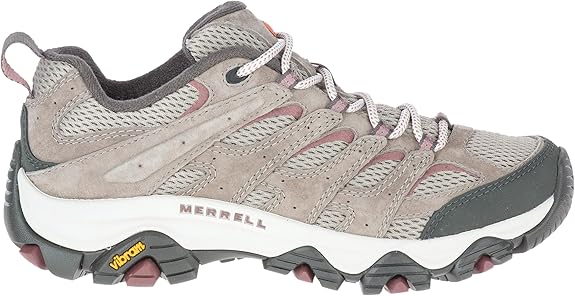
Merrell Moab 3 Hiking Shoe

Salomon X Ultra 4 Gore-TEX Hiking Shoe

KEEN Targhee IV Waterproof Hiking Shoe

HOKA Anacapa 2 Low GTX

La Sportiva Spire GTX

Danner Trail 2650 Hiking Shoe

adidas Terrex Swift R3 GTX

Columbia Konos TRS OutDry

Altra Lone Peak 9 Trail Shoe

Saucony Peregrine 15 GTX Trail Shoe
How we chose these women’s hiking shoes
This guide prioritizes women’s shoes that make sense for real day hiking: comfort over several miles, traction on mixed trail, sensible protection, fit availability, waterproofing where useful, and enough support for uneven ground. We did not simply rank the newest or most expensive products. A shoe can rank highly because it is broadly useful, easy to fit, and easy to find, even if another shoe is more technical.
We also separated women’s hiking shoes from hiking boots. Low women’s hiking shoes are lighter and more flexible than boots, but they provide less ankle coverage. That is why the final list includes classic hikers, waterproof technical shoes, cushioned hikers, and trail-runner crossovers. Each one is chosen for a specific buyer rather than forced into a single universal definition of “best.”
1. Merrell Moab 3 Women’s Hiking Shoe — Best Overall Women’s Hiking Shoe
Best for: Most day hikers, wide feet, value buyers, established trails
BestGearScout score: 9.3/10
The Moab 3 earns the top spot because it solves the most common hiking-shoe problem: buyers want a women’s trail shoe that feels comfortable early, has enough grip for dirt and rock, supports uneven trails, and does not make the purchase feel risky. It is not the lightest or most technical shoe here, but it has the broadest appeal.
Who should choose it
Choose it if your hikes are mostly maintained trails, park loops, weekend routes, and travel days where comfort matters more than moving fast. The fit is forgiving, and many Amazon listings make it easier to compare women’s colors, standard widths, and wide options than with more niche hiking shoes.
What to check before buying
Do not treat every women’s Moab listing as the same product. The ventilated shoe, waterproof shoe, mid boot, and tactical variants can appear close together. For this guide, the recommendation is the women’s low hiking shoe family; choose the waterproof version only if you actually need it.
Key specs to verify
- Type: low-cut hiking shoe
- Official tech: Vibram TC5 outsole, 11.5 mm drop, 5 mm lugs
- Weight: verify the current women’s listing; brand-listed weights vary by size/version
- Upper: mesh and suede/leather family depending on color/version
2. Salomon X Ultra 4 Gore-TEX Women’s Hiking Shoe — Best Technical Day Hiker
Best for: Steep day hikes, wet trails, technical terrain, hikers who like a precise fit
BestGearScout score: 9.2/10
The X Ultra 4 Gore-TEX is for hikers who want a hiking shoe to feel more like technical trail equipment than casual outdoor footwear. Its biggest advantage is confidence on steeper ground: the chassis, outsole, and upper all aim to keep the foot controlled when the trail tilts or gets loose.
Who should choose it
It makes the most sense for women’s day hikes with elevation, slick roots, wet grass, rocky descents, or mixed mountain paths. If you like a snug, performance-oriented fit, this is one of the strongest shoes in the list.
What to check before buying
The same precision that makes it secure can also make it less forgiving. Wide-footed buyers or anyone who prefers a roomier women’s toe box should compare this carefully against KEEN or Altra before committing.
Key specs to verify
- Type: low-cut waterproof hiking shoe
- Official tech: GORE-TEX, Contagrip MA, ADV-C Chassis, Active Support
- Weight: verify the current women’s listing; brand-listed weights vary by size/version
- Official drop: 11 mm
3. KEEN Targhee IV Women’s Waterproof Hiking Shoe — Best Comfort and Wide Fit
Best for: Wide feet, comfort-first hikers, wet day hikes, durable everyday trail use
BestGearScout score: 9.0/10
The Targhee IV Waterproof is the shoe to consider when comfort, toe room, and a sturdy feel are more important than shaving ounces. It is built like a proper hiking shoe, not like a running shoe with trail tread, and that gives it a reassuring feel on everyday trail use.
Who should choose it
It is especially sensible for women who often find Salomon, adidas, or La Sportiva too narrow through the forefoot. The waterproof lining also makes it a practical choice for damp grass, muddy paths, and shoulder-season walks.
What to check before buying
The trade-off is weight and bulk. If you want the fastest, most breathable women’s shoe for hot summer hiking, the Targhee IV may feel more structured than you need.
Key specs to verify
- Type: low-cut waterproof hiking shoe
- Weight: verify the current women’s listing; brand-listed weights vary by size/version
- Official stack height: 1.1 in / 28 mm
- Official heel-to-toe drop: 0.47 in / 12 mm
- Official tech: KEEN.DRY, KEEN.FUSION, KEEN.RUGGED outsole, Luftcell cushioning
4. HOKA Anacapa 2 Low GTX Women’s Shoe — Best Cushioned Waterproof Shoe
Best for: Cushion-focused hikers, wet maintained trails, long day hikes, heel-strike comfort
BestGearScout score: 8.9/10
The Anacapa 2 Low GTX stands apart because it feels closer to a cushioned HOKA road/trail platform than a traditional hiking shoe. For hikers who feel foot fatigue on hardpack, gravel, and long descents, that extra cushioning can be the main reason to buy it.
Who should choose it
It fits best into women’s long day hikes, wet maintained trails, travel hikes where comfort matters, and buyers who like a rockered step. The waterproof build and Vibram outsole make it more trail-ready than a normal cushioned walking shoe.
What to check before buying
The women’s shape will not suit everyone. The extended heel, higher-volume look, and cushioned feel can be divisive, and hikers who want maximum ground feel may prefer Altra or Saucony.
Key specs to verify
- Type: low-cut waterproof cushioned hiker
- Official drop: 8 mm for the Anacapa 2 Low GTX line
- Weight: verify the current women’s listing; brand-listed weights vary by size/version
- Official tech: GORE-TEX Invisible Fit, Vibram Megagrip outsole, 30% sugarcane EVA midsole
5. La Sportiva Spire GTX Women’s Shoe — Best Premium Shoe-Boot Hybrid
Best for: Rocky trails, fast hiking, alpine day routes, hikers who want low-cut protection
BestGearScout score: 8.8/10
The Spire GTX is the most premium protective pick in this guide. It is technically a low-cut shoe, but the way it is built makes it feel closer to a boot alternative for hikers who spend time on rocks, rougher tracks, and more serious mountain approaches.
Who should choose it
It is a strong women’s choice if you want waterproofing, support, and trail protection but dislike mid-cut boots. It also suits hikers who prioritize stability and long-wearing construction over a soft, flexible feel.
What to check before buying
This is not the best casual option. The price, structure, and fit demands are easier to justify if you actually hike rough terrain; for easy trails, the Columbia, Merrell, or Danner may be more sensible.
Key specs to verify
- Type: low-cut waterproof hiking/backpacking shoe
- Official tech: ePE GORE-TEX Surround, Nano Cell 2.0, STB control system
- Use case: quick hiking and mid-duty hiking/backpacking
- Fit note: verify EU/US size conversion before buying
6. Danner Trail 2650 Women’s Hiking Shoe — Best Lightweight Travel Hiker
Best for: Travel, dry-weather day hikes, casual trail-to-town wear, lightweight packing
BestGearScout score: 8.6/10
The Trail 2650 is the pick for buyers who want one shoe to move between trail, travel, and everyday use. It has enough trail DNA to be credible on dry day hikes, but it does not look as bulky or technical as many hiking shoes.
Who should choose it
It works well for road trips, national park visits, dry-weather hikes, and travelers who want to pack one pair of capable outdoor shoes. The lower weight and cleaner styling are a major part of the appeal.
What to check before buying
The standard Trail 2650 is not the wet-weather pick. If your hikes often include rain, mud, or water crossings, either choose a GTX Trail 2650 variant carefully or pick one of the waterproof models above.
Key specs to verify
- Type: low-cut lightweight hiker/trainer
- Weight: verify the current women’s listing; brand-listed weights vary by size/version
- Official height: 3 in
- Official tech: Vibram 460 outsole, Trailguard TPU shank, OrthoLite footbed, 8 mm drop
7. adidas Terrex Swift R3 GTX Women’s Shoe — Best Secure Mountain Fit
Best for: Fast day hikes, wet trails, secure foothold, hikers who prefer a firmer ride
BestGearScout score: 8.5/10
The Terrex Swift R3 GTX is for hikers who like a firm, precise feel underfoot. Instead of aiming for plush comfort, it focuses on locked-in support, waterproofing, and confident traction for fast hiking over mixed terrain.
Who should choose it
It is a good choice for buyers who want a shoe that feels protective and athletic at the same time. The fit can be especially appealing if you dislike roomy shoes and want your foot held firmly on descents.
What to check before buying
That secure feel can also make the shoe feel stiff or narrow. If you expect slipper-like comfort or have wider feet, compare against KEEN, Merrell, or HOKA before buying.
Key specs to verify
- Type: low-cut waterproof hiking shoe
- Official tech: GORE-TEX and Continental Rubber outsole
- Upper: synthetic/mesh family depending on listing
- Fit note: check width and size carefully; many hikers size by trail sock thickness
8. Columbia Konos TRS OutDry Women’s Shoe — Best Light Waterproof Value
Best for: Budget-conscious hikers, rainy day walks, light trails, hiking/trail-running crossover use
BestGearScout score: 8.4/10
The Konos TRS OutDry is the value-minded waterproof pick. It is lighter and more athletic than many classic hikers, and it makes sense for buyers who want wet-weather protection without stepping into premium shoe prices.
Who should choose it
It is best for women’s light trails, rainy walks, maintained day hikes, and buyers who want a shoe that can cover both hiking and trail-fitness use. The official specs make it one of the lighter waterproof choices in this guide.
What to check before buying
It is not the shoe for heavy packs, sharp off-trail rock, or buyers who need maximum underfoot armor. Think of it as a modern women’s waterproof day-hiking shoe, not a backpacking shoe.
Key specs to verify
- Type: waterproof low hiking/trail shoe
- Weight: verify the current women’s listing; brand-listed weights vary by size/version
- Official drop: 10 mm; ride height 27.5 mm heel / 17.5 mm toe
- Official tech: OutDry, Adapt Trax outsole, Omni-Max Plus / Techlite+ platform
9. Altra Lone Peak 9 Women’s Trail Shoe — Best Zero-Drop Trail Hiker
Best for: Wide toe boxes, hot dry trails, fast day hikes, hikers transitioning from trail runners
BestGearScout score: 8.3/10
The Lone Peak 9 is included because many hikers now prefer trail runners for day hikes and fastpacking. Its appeal is simple: roomy women’s toe box, low weight, flexible ride, and a natural zero-drop platform.
Who should choose it
It is strongest for dry trails, warm-weather hiking, low pack weights, and buyers who already know they like zero-drop shoes. It also gives toes more space than many conventional women’s hiking shoes.
What to check before buying
Do not buy it casually just because it is popular. Zero drop changes calf and Achilles loading, and the shoe has less structure than a traditional hiker. Transition gradually if you are new to this style.
Key specs to verify
- Type: low trail shoe used by many hikers for fastpacking and day hikes
- Weight: verify the current women’s listing; brand-listed weights vary by size/version
- Official drop: 0 mm; stack height 25 mm
- Official tech: Altra EGO midsole, MaxTrac outsole, Original FootShape fit
10. Saucony Peregrine 15 GTX Women’s Trail Shoe — Best Wet-Trail Runner Crossover
Best for: Fast hikers, wet trail runs, light packs, buyers who prefer trail-runner agility
BestGearScout score: 8.2/10
The Peregrine 15 GTX is the fastest-feeling option in the guide. It is a trail-running shoe first, but for light hiking it offers a compelling combination of waterproofing, traction, rock protection, and low bulk.
Who should choose it
It is ideal for women who move quickly, carry light packs, and want a shoe that can handle muddy singletrack, wet forest routes, and mixed running/hiking days. It is also a good contrast to heavier waterproof hikers.
What to check before buying
The trade-off is support. If you carry a heavy backpack, have unstable ankles, or want a women’s shoe that feels protective from every direction, a more structured hiker will be safer.
Key specs to verify
- Type: waterproof trail-running shoe suitable for light hiking use
- Official tech: GORE-TEX Invisible Fit, PWRRUN cushioning, PWRTRAC outsole
- Regular Peregrine 15 spec reference: 4 mm offset, 28/24 mm stack, 5 mm lugs
- Fit note: verify GTX vs non-GTX listing and final size/color availability
Women’s hiking shoe buying guide: how to choose the right pair
Decide whether you need a hiking shoe, hiking boot, or trail runner
A women’s hiking shoe is best for most day hikes because it balances traction, protection, and weight without the bulk of a boot. A women’s hiking boot makes more sense when you carry a heavy backpack, hike in snow, need ankle coverage, or regularly step through rough off-trail terrain. A trail runner is best when speed, breathability, and flexibility matter more than sidewall protection and stiffness.
The mistake is treating these three categories as interchangeable. A trail runner like the Altra Lone Peak 9 can be excellent for fast dry hikes, but it will not feel as protective as the La Sportiva Spire GTX on rocky terrain. A waterproof shoe like the HOKA Anacapa 2 Low GTX can be comfortable in wet conditions, but it may feel warmer than a ventilated Moab 3 in midsummer.
Waterproofing is useful, but not always better
Waterproof hiking shoes help in rain, wet grass, muddy tracks, and shoulder-season conditions. They are less ideal in hot weather because membranes reduce breathability and can dry slowly once water enters over the collar. If you mostly hike dry trails in warm weather, a breathable non-waterproof shoe can be more comfortable. If you hike early mornings, wet forests, or unpredictable shoulder seasons, waterproofing is worth the trade-off.
Fit matters more than brand reputation
A great women’s hiking shoe in the wrong shape is a bad hiking shoe for you. Salomon and adidas often appeal to buyers who want a more precise, locked-in fit. KEEN and Altra are friendlier to many wider feet. Merrell sits in the middle for many hikers. HOKA can feel cushioned and somewhat bulky depending on your gait. Before committing, check toe room, heel hold, arch feel, and whether the shoe works with the socks you actually hike in.
Traction depends on terrain
Deep lugs help on mud and loose dirt, while stickier rubber matters on rock and wet surfaces. A shoe that grips well on forest trail may not be the best on slick slab, and a fast trail shoe with aggressive lugs may feel odd on pavement. Match the outsole to your most common trail instead of buying the most aggressive tread by default.
Support is not the same as stiffness
Some hikers want a stiff shoe that resists twisting on rock. Others want a flexible shoe that feels natural and fast. Neither is universally better. Stiffer shoes like the La Sportiva Spire GTX and adidas Terrex Swift R3 GTX can feel more secure on uneven ground. Flexible shoes like the Altra Lone Peak 9 and Saucony Peregrine 15 GTX can feel faster, but they ask more of your feet and ankles.
Check Amazon listings carefully
Hiking shoe listings often combine several variants: waterproof and non-waterproof, low and mid, standard and wide, older and newer women’s colorways. Before adding your affiliate URL, confirm the exact women’s title, ASIN, size range, width option, and product image. This is especially important for products like Moab, Trail 2650, Lone Peak, and Peregrine, where similar-looking versions can lead to the wrong recommendation.
Common mistakes to avoid when buying women’s hiking shoes
Buying waterproof shoes for hot dry trails
Waterproof shoes sound safer, but in hot weather they can feel warmer and less breathable. If your trails are dry most of the year, a ventilated shoe may be the better daily choice.
Ignoring width
Toe pressure gets worse on descents because your foot slides forward. If a shoe feels tight in the toe box at home, it will likely feel worse on the trail.
Choosing trail runners without transitioning
Zero-drop and flexible trail shoes can be excellent, but they load your lower legs differently. Start with shorter hikes before using them for long days.
Using a low shoe for heavy backpacking
Low shoes can work for experienced lightweight backpackers, but many buyers are safer with a boot or more structured shoe when carrying heavy loads over rough ground.
Forgetting socks and insoles
Fit depends on the full system. Thicker hiking socks, aftermarket insoles, or orthotics can change sizing enough to matter.
FAQ
What is the best women’s hiking shoe for most people in 2026?
The women’s Merrell Moab 3 is the safest starting point for most day hikers because it balances comfort, trail grip, availability, and value. It is not the most technical shoe, but it is the easiest recommendation for general use.
Are waterproof hiking shoes worth it?
Yes, if you hike in rain, wet grass, mud, or shoulder-season conditions. No, if your main priority is breathability in hot weather. Waterproofing is a trade-off, not an automatic upgrade.
Which women’s hiking shoe is best for wide feet?
The women’s KEEN Targhee IV Waterproof and Altra Lone Peak 9 are the first models to compare if toe room is important. The women’s Merrell Moab 3 is also worth checking because many listings offer wide sizes.
Which women’s hiking shoe is best for steep trails?
The women’s Salomon X Ultra 4 Gore-TEX is the strongest technical pick here because it is designed around stability, grip, waterproofing, and control on uneven terrain. The adidas Terrex Swift R3 GTX is another good option if you like a firmer fit.
Can trail running shoes be used for hiking?
Yes, for day hikes, fast hiking, and light packs. They are usually lighter and more breathable, but they provide less side protection and structure than classic hiking shoes.
Should I size up in women’s hiking shoes?
Many women need extra room for downhill toe movement and thicker socks, but sizing up blindly can cause heel slip. Check the brand size guide, read Amazon size notes, and compare with the socks you plan to use.
Final verdict: which women’s hiking shoe should you buy?
Buy the women’s Merrell Moab 3 if you want the safest all-round hiking shoe. Buy the women’s Salomon X Ultra 4 Gore-TEX if steep, wet, or technical trails matter most. Buy the women’s KEEN Targhee IV Waterproof if comfort and toe room are the priority. Buy the women’s HOKA Anacapa 2 Low GTX if you want a cushioned waterproof ride for long day hikes.
Buy the women’s La Sportiva Spire GTX if you want premium low-cut protection for rocky terrain. Buy the women’s Danner Trail 2650 if travel and dry trail versatility matter. Buy the women’s adidas Terrex Swift R3 GTX if you prefer firm, secure support. Buy the women’s Columbia Konos TRS OutDry if you want a lighter waterproof value pick. Choose the women’s Altra Lone Peak 9 or women’s Saucony Peregrine 15 GTX only if a trail-runner-style shoe matches your hiking style.
How we choose and rank products
We compare products using a consistent editorial framework: real-world use cases, feature depth, long-term value, owner feedback patterns, build quality, warranty/support, and price-to-performance. Scores are updated when product specs, pricing, or availability materially change.


Leave a Reply