
Rocky trails and heavier packs change the footwear decision. Low shoes can still work for experienced fast hikers with light loads, but many women will be better served by a supportive mid or trekking boot when descents, loose rock, roots and pack weight start to matter.
Last updated: May 5, 2026
We refresh this guide when new products, stronger alternatives, or important specification changes affect the recommendations.
Quick verdict
Choose LOWA, Oboz, La Sportiva Nucleo or HOKA Kaha 3 when support and rough-terrain confidence are priorities. Choose La Sportiva Spire or Salomon X Ultra 4 only if you want technical low-shoe agility and are carrying a lighter pack.
Best picks for this situation
The cards in this guide are not repeated here as a generic top-ten list. Each product is included because it answers a specific fit, terrain or weather question. Use the short verdict below each card as a shortcut, then read the surrounding comparison notes to decide whether that trade-off matters for your hikes.
Traditional support for rough trails
Classic trekking boots still make sense when stability, structure and protection are more important than low-shoe agility.

How to choose within this group
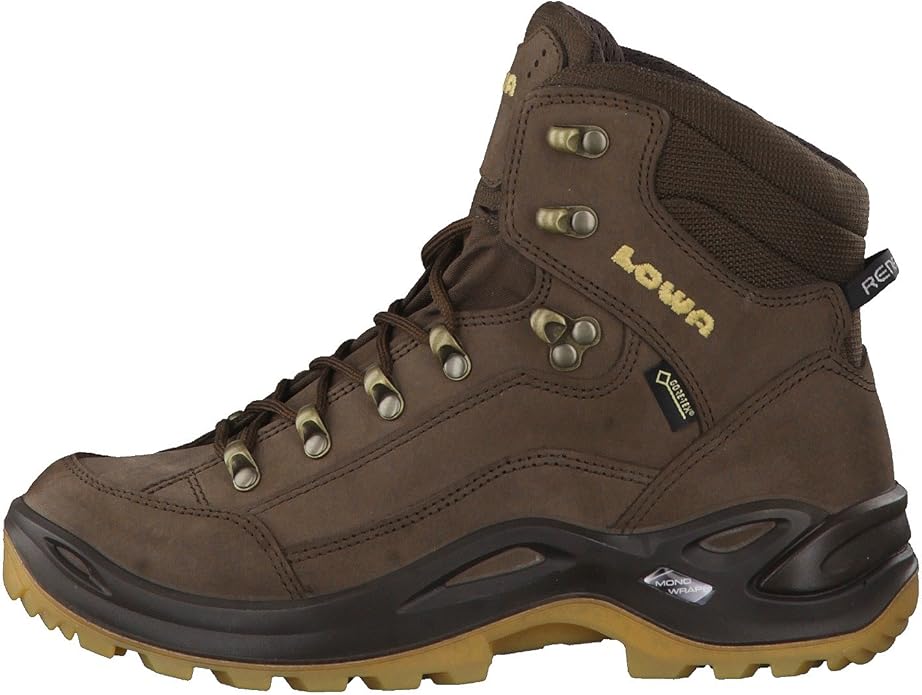
- Choose LOWA Renegade GTX Mid for a more traditional trekking-boot feel.
- Choose Oboz Bridger Mid B-Dry for sturdy underfoot support and protective build.
- Both are better suited to rough routes than casual low shoes if the fit works.
Best for: Women who prefer classic trekking support, medium-width fit, wet-weather protection and light backpacking stability The Renegade GTX Mid remains the classic women’s trekking-boot choice: more supportive and structured than light hybrids, but still flexible enough for day hikes and lighter backpacking routes. Best for: Women who want sturdy underfoot support, waterproof nubuck, protective construction and a boot suitable for heavier day hikes The Bridger Mid B-Dry is the boot to compare when support and protection matter more than a soft sneaker-like ride, especially for women carrying day packs or tackling rocky routes.
Technical lightweight boot options
Not every rough-trail boot needs to feel bulky. These options aim for protection with a more modern or lighter feel.

How to choose within this group
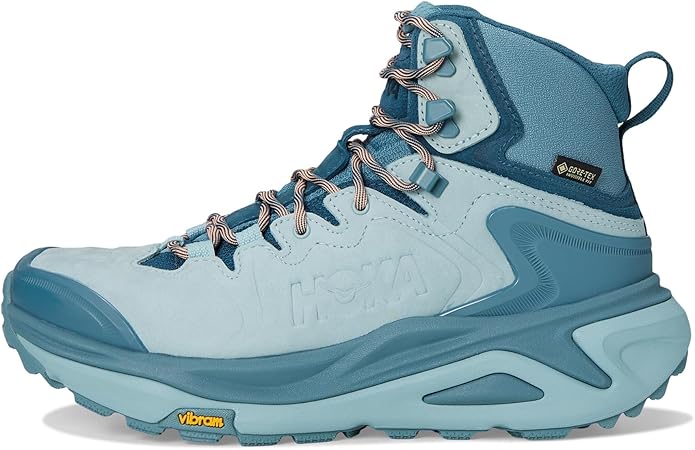
- Choose La Sportiva Nucleo High II GTX for a technical leather-boot direction.
- Choose HOKA Kaha 3 GTX if cushioning is the main reason you want a premium boot.
- Try both with the pack weight you expect to carry.
Best for: Women who want a technical waterproof leather boot for rocky day hikes, light backpacking and more demanding terrain The Nucleo High II GTX is the technical leather pick for women who want more protection than a trail-runner mid without moving into a heavy expedition-style boot. Best for: Women who want maximum cushioning, waterproof protection, long-day comfort and a premium modern hiking boot The Kaha 3 GTX is the premium comfort pick for women who want a cushioned mid-height hiking boot with waterproof protection, a grippy Vibram outsole and a smoother ride than old-school leather trekkers.
Low-shoe options for skilled light-pack hikers
Low shoes are still valid on rocky routes for hikers who know their feet, move light and prioritize precision.


How to choose within this group
- Choose La Sportiva Spire GTX if you want a protective shoe-boot hybrid.
- Choose Salomon X Ultra 4 GTX for precise wet-trail day-hiking control.
- Avoid low shoes for rough terrain if you frequently roll ankles or carry heavier loads.
Best for: Rocky trails, fast hiking, alpine day routes, hikers who want low-cut protection The Spire GTX is a premium low-cut hiker for buyers who want waterproof protection and a more structured, shoe-boot feel for rugged day hikes. Best for: Steep day hikes, wet trails, technical terrain, hikers who like a precise fit The X Ultra 4 Gore-TEX is the technical pick for hikers who want waterproof protection, confident downhill control, and a more agile feel than a traditional hiking shoe.La Sportiva Spire GTX
8.8/10
Value and beginner boot alternatives
Newer hikers may not need a premium trekking boot immediately, but they should still choose enough support for the trail.


How to choose within this group
- Choose Merrell Moab 3 Mid Waterproof for the safer broad-use boot.
- Choose Columbia Newton Ridge Plus Waterproof Amped for value-focused casual routes.
- Upgrade to sturdier boots if your trails become steeper, rockier or pack-heavy.
Best for: Most women day hikers, wide-size shoppers, mixed trails and value-focused waterproof boot buyers The Moab 3 Mid Waterproof is the safest default women’s hiking boot in this list because it combines a familiar fit, useful waterproofing, a supportive mid cut and a proven Vibram outsole without pushing into premium boot pricing. Best for: New hikers, casual day hikes, value buyers, travel trails and women who want waterproof protection without premium pricing The Newton Ridge Plus Waterproof Amped is the best budget-friendly women’s hiking boot here because it offers waterproof construction, classic mid-cut coverage and approachable pricing for beginner and casual trail use.
How to avoid choosing the wrong hiking footwear
Most bad hiking-footwear purchases come from choosing the product that looks best on paper instead of the one that matches the route. Start with trail surface, weather, pack weight and fit. Only after that should you compare waterproof membranes, outsole names, heel-to-toe drop, weight claims or price labels.
Trail surface
Gravel paths and groomed park trails do not demand the same support as rocky descents or rooty forest routes. Low shoes are easier to wear on simple terrain. Mid and high boots start to matter when edges, ruts and rough footing make stability more important.
Weather
Waterproof footwear helps in wet grass, rain and muddy shoulder-season hikes, but it can run warmer and dry more slowly after water enters from the collar. In hot dry weather, a breathable low shoe or trail-runner crossover can feel better over the full day.
Fit shape
Women’s hiking footwear varies widely in toe-box shape, heel hold and volume. A roomy forefoot is useful only if the heel still locks down. A precise shoe is useful only if it does not create pressure on long descents.
Pack weight
A light daypack makes low shoes and fast hikers more attractive. Heavier water, camera gear, child-carrying loads or light backpacking can make boot structure worth the extra weight and warmth.
FAQ
Can women backpack in hiking shoes?
Some experienced hikers can, especially with light packs and strong ankles. Many hikers are better served by a supportive boot when carrying more weight over rough ground.
Are trekking boots overkill for day hikes?
They can be overkill for easy trails, but they are useful on rocky, wet or uneven routes where structure and protection matter.
What should beginners choose for rocky trails?
A comfortable mid boot with good fit is usually safer than a flexible trail-runner crossover for beginners on rocky terrain.
Final verdict
The best choice is not one universal shoe or boot. Choose the lowest, lightest option that still gives you enough traction, fit security and protection for the route. Move up to a mid or trekking boot when weather, pack weight, ankle coverage or rocky terrain becomes the problem you need to solve.
Leave a Reply