
Beginners should avoid buying a camera that is either too limited to grow with or too complex to enjoy. Start with autofocus, lens availability, size and the kind of photos or videos you actually want to make.
Last updated: May 5, 2026
We refresh this guide when new products, stronger alternatives, or important specification changes affect the recommendations.
Quick picks
- #1 — Canon EOS R50: Shortlist it as the Best Beginner Camera option when you want a camera body whose lens system, handling and stills/video workflow match the way you shoot. Its main advantage is practical fit: the scorecard points to a product with a clear use case rather than a purely spec-driven recommendation. Key listed sensor: 24.2MP APS-C CMOS. The product card gives the concise scorecard; the guide below explains the buying context.
- #2 — Sony ZV-E10 II: Shortlist it as the Best Creator Camera option when you want a camera body whose lens system, handling and stills/video workflow match the way you shoot. Video workflow is a major reason to consider it, so compare stabilization, audio, storage and file handling before buying. Key listed sensor: 26MP APS-C Exmor R CMOS. The product card gives the concise scorecard; the guide below explains the buying context.
- #3 — Fujifilm X-T5: Shortlist it as the Best APS-C Stills Camera option when you want a camera body whose lens system, handling and stills/video workflow match the way you shoot. The size advantage matters because a product that is easier to place, carry or hold is more likely to be used consistently. Key listed sensor: 40.2MP APS-C X-Trans CMOS 5 HR. The product card gives the concise scorecard; the guide below explains the buying context.
- #4 — Fujifilm X100VI: Shortlist it as the Best Premium Compact option when you want a camera body whose lens system, handling and stills/video workflow match the way you shoot. The system around the body matters here; lenses and accessories should be part of the budget, not an afterthought. Key listed sensor: 40.2MP APS-C X-Trans CMOS 5 HR. The product card gives the concise scorecard; the guide below explains the buying context.
Best Cameras for Beginners Easy Mirrorless Picks for Families, Travel and Learning compared
The Sony Alpha 7 V is the safest premium hybrid recommendation for buyers who want one full-frame camera that can handle travel, family, portraits, events, video, and serious creative work without locking them into a niche body. Best for: Hybrid creators, enthusiasts, travel photographers, everyday full-frame use The EOS R6 Mark III is the Canon body to buy when you want speed, strong autofocus, modern video flexibility, and enough resolution for serious stills without stepping all the way into an ultra-high-resolution flagship. Best for: Canon users, events, portraits, action, wedding and hybrid shooters The Nikon Z6 III is one of the best advanced hybrid bodies for photographers who want modern speed and serious video features without paying for a larger pro body. Best for: Nikon users, hybrid creators, low-light shooters, advanced enthusiasts The Fujifilm X-T5 is the best pick for photographers who want high-resolution stills, classic controls, a compact kit, and a camera that makes shooting feel intentional. Best for: Travel, street, landscapes, enthusiasts, photographers who prefer dials The Fujifilm X100VI is the best premium compact camera for people who want a dedicated everyday photography tool, not just a technically capable device. Best for: Street photography, travel, everyday carry, documentary-style shooting The Canon EOS R50 is the best beginner camera if you want an approachable mirrorless body that produces better photos than a phone while leaving room to learn lenses and manual controls. Best for: Beginners, families, students, travel, casual content creation The Sony ZV-E10 II is the best pick for creators who care more about video, autofocus, compact size, and lens flexibility than traditional camera handling. Best for: YouTube, vlogging, streaming, travel video, creator kits The Panasonic Lumix S5IIX is the video-focused full-frame pick for creators who want serious recording tools, strong stabilization, and a body that prioritizes production flexibility. Best for: Filmmakers, hybrid video creators, interviews, open-gate workflows The Nikon Z8 is the pro hybrid pick for photographers who want flagship-class performance, high-resolution files, action speed, and serious video in a body smaller than a gripped flagship. Best for: Professional work, wildlife, landscapes, events, high-end hybrid shooting The OM System OM-1 Mark II is the outdoor specialist: not the highest-resolution or largest-sensor camera, but one of the easiest to recommend for wildlife, hiking, macro, and travel where weather resistance and reach matter. Best for: Wildlife, hiking, travel, macro, weather-sealed outdoor photography
Sony Alpha 7 V

Canon EOS R6 Mark III

Nikon Z6 III
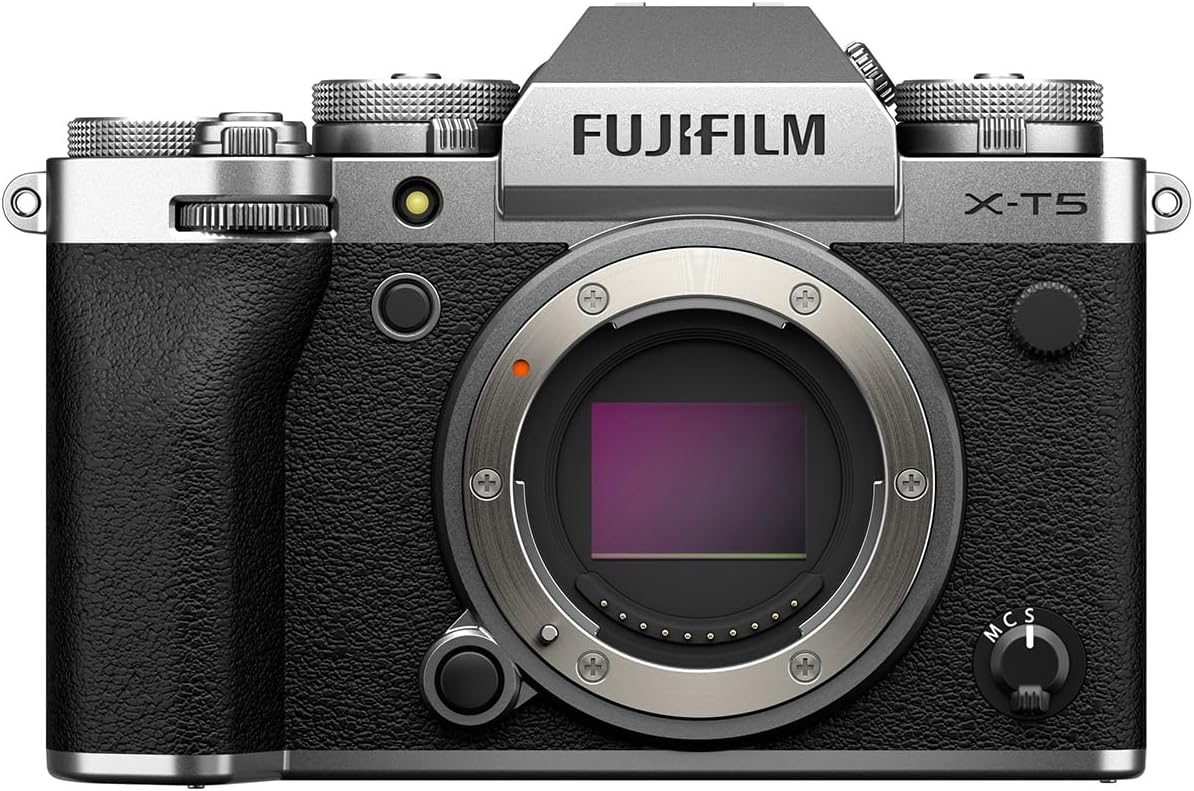
Fujifilm X-T5

Fujifilm X100VI

Canon EOS R50

Sony ZV-E10 II

Panasonic Lumix S5IIX
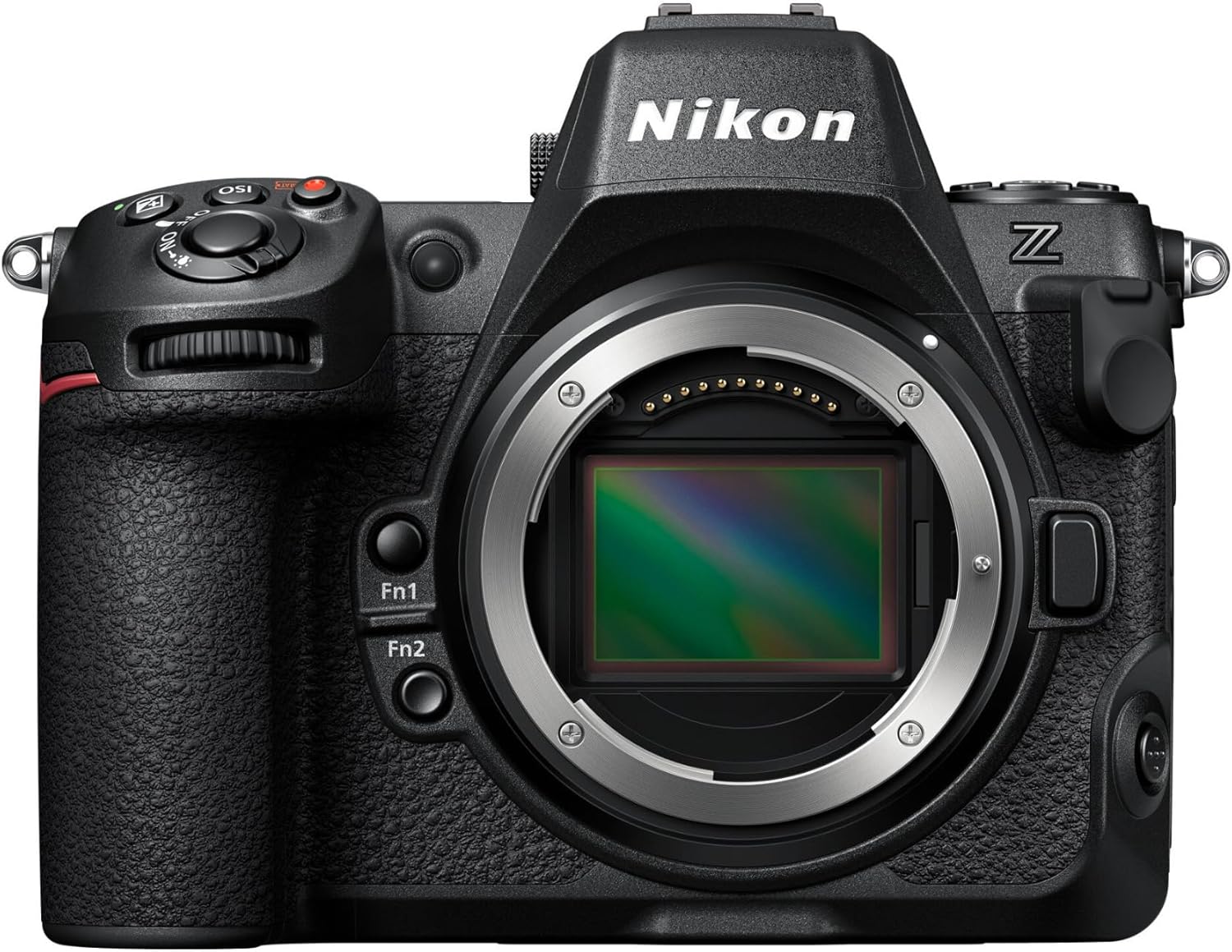
Nikon Z8

OM System OM-1 Mark II
How to choose
Use this guide to narrow the camera system before comparing body specs. Start with what you shoot, then check lens availability, autofocus needs, video workflow, kit weight and whether the controls will still feel enjoyable after the first week.
Canon EOS R50: Best Beginner Camera
Canon EOS R50 is best treated as the best beginner camera pick in this article. The compact card below already covers the score, short verdict, pros, cons and shopping link; this written section adds buying context. For Best Cameras for Beginners: Easy Mirrorless Picks for Families, Travel and Learning, judge the camera as part of a system: body, lenses, batteries, cards, stabilization, autofocus and the editing workflow all matter.
Where it makes sense
- Its main advantage is practical fit: the scorecard points to a product with a clear use case rather than a purely spec-driven recommendation.
- The listed sensor detail — 24.2MP APS-C CMOS — matters most when it supports your lens choice and shooting workflow.
- The listed processor detail — DIGIC X — matters most when it supports your lens choice and shooting workflow.
- Compare the body with the lenses you would actually buy, because the kit decision matters more than the camera body alone.
What to double-check
Check whether the missing feature matters to your workflow; for some buyers it is minor, for others it is a deal-breaker. This is why the product card is useful: it gives the concise pros and cons, while the surrounding guide explains whether those trade-offs matter for your situation.
Best for: Beginners, families, students, travel, casual content creation The Canon EOS R50 is the best beginner camera if you want an approachable mirrorless body that produces better photos than a phone while leaving room to learn lenses and manual controls.Canon EOS R50
8.9/10
Sony ZV-E10 II: Best Creator Camera
Sony ZV-E10 II is best treated as the best creator camera pick in this article. The compact card below already covers the score, short verdict, pros, cons and shopping link; this written section adds buying context. For Best Cameras for Beginners: Easy Mirrorless Picks for Families, Travel and Learning, judge the camera as part of a system: body, lenses, batteries, cards, stabilization, autofocus and the editing workflow all matter.
Where it makes sense
- Video workflow is a major reason to consider it, so compare stabilization, audio, storage and file handling before buying.
- The listed sensor detail — 26MP APS-C Exmor R CMOS — matters most when it supports your lens choice and shooting workflow.
- The listed video detail — 4K up to 60p, 10-bit workflows depending on settings — matters most when it supports your lens choice and shooting workflow.
- Compare the body with the lenses you would actually buy, because the kit decision matters more than the camera body alone.
What to double-check
Check whether the missing feature matters to your workflow; for some buyers it is minor, for others it is a deal-breaker. This is why the product card is useful: it gives the concise pros and cons, while the surrounding guide explains whether those trade-offs matter for your situation.
Best for: YouTube, vlogging, streaming, travel video, creator kits The Sony ZV-E10 II is the best pick for creators who care more about video, autofocus, compact size, and lens flexibility than traditional camera handling.Sony ZV-E10 II
8.8/10
Fujifilm X-T5: Best APS-C Stills Camera
Fujifilm X-T5 is best treated as the best aps-c stills camera pick in this article. The compact card below already covers the score, short verdict, pros, cons and shopping link; this written section adds buying context. For Best Cameras for Beginners: Easy Mirrorless Picks for Families, Travel and Learning, judge the camera as part of a system: body, lenses, batteries, cards, stabilization, autofocus and the editing workflow all matter.
Where it makes sense
- The size advantage matters because a product that is easier to place, carry or hold is more likely to be used consistently.
- The listed sensor detail — 40.2MP APS-C X-Trans CMOS 5 HR — matters most when it supports your lens choice and shooting workflow.
- The listed stabilization detail — five-axis IBIS rated up to 7.0 stops — matters most when it supports your lens choice and shooting workflow.
- Compare the body with the lenses you would actually buy, because the kit decision matters more than the camera body alone.
What to double-check
The main limitation should be checked against your use case instead of assuming the score alone settles the decision. This is why the product card is useful: it gives the concise pros and cons, while the surrounding guide explains whether those trade-offs matter for your situation.
Best for: Travel, street, landscapes, enthusiasts, photographers who prefer dials The Fujifilm X-T5 is the best pick for photographers who want high-resolution stills, classic controls, a compact kit, and a camera that makes shooting feel intentional.Fujifilm X-T5
9.2/10
Fujifilm X100VI: Best Premium Compact
Fujifilm X100VI is best treated as the best premium compact pick in this article. The compact card below already covers the score, short verdict, pros, cons and shopping link; this written section adds buying context. For Best Cameras for Beginners: Easy Mirrorless Picks for Families, Travel and Learning, judge the camera as part of a system: body, lenses, batteries, cards, stabilization, autofocus and the editing workflow all matter.
Where it makes sense
- The system around the body matters here; lenses and accessories should be part of the budget, not an afterthought.
- The listed sensor detail — 40.2MP APS-C X-Trans CMOS 5 HR — matters most when it supports your lens choice and shooting workflow.
- The listed lens detail — fixed FUJINON 23mm f/2 equivalent to about 35mm full-frame field of view — matters most when it supports your lens choice and shooting workflow.
- Compare the body with the lenses you would actually buy, because the kit decision matters more than the camera body alone.
What to double-check
The surrounding ecosystem can decide the purchase as much as the product itself. This is why the product card is useful: it gives the concise pros and cons, while the surrounding guide explains whether those trade-offs matter for your situation.
Best for: Street photography, travel, everyday carry, documentary-style shooting The Fujifilm X100VI is the best premium compact camera for people who want a dedicated everyday photography tool, not just a technically capable device.Fujifilm X100VI
9.1/10
How the recommended picks differ in real use
The products in this guide are not interchangeable. They target different priorities, so the safest way to choose is to match the product’s strengths to the part of ownership you will notice most often.
- Canon EOS R50: Its main advantage is practical fit: the scorecard points to a product with a clear use case rather than a purely spec-driven recommendation. The listed sensor detail — 24.2MP APS-C CMOS — matters most when it supports your lens choice and shooting workflow. Check whether the missing feature matters to your workflow; for some buyers it is minor, for others it is a deal-breaker.
- Sony ZV-E10 II: Video workflow is a major reason to consider it, so compare stabilization, audio, storage and file handling before buying. The listed sensor detail — 26MP APS-C Exmor R CMOS — matters most when it supports your lens choice and shooting workflow. Check whether the missing feature matters to your workflow; for some buyers it is minor, for others it is a deal-breaker.
- Fujifilm X-T5: The size advantage matters because a product that is easier to place, carry or hold is more likely to be used consistently. The listed sensor detail — 40.2MP APS-C X-Trans CMOS 5 HR — matters most when it supports your lens choice and shooting workflow. The main limitation should be checked against your use case instead of assuming the score alone settles the decision.
- Fujifilm X100VI: The system around the body matters here; lenses and accessories should be part of the budget, not an afterthought. The listed sensor detail — 40.2MP APS-C X-Trans CMOS 5 HR — matters most when it supports your lens choice and shooting workflow. The surrounding ecosystem can decide the purchase as much as the product itself.
How to compare these picks beyond the score
A score is useful for building a shortlist, but the best answer for Best Cameras for Beginners: Easy Mirrorless Picks for Families, Travel and Learning depends on the constraint that will affect you every day. Use the ranking as a starting point, then compare the products against the situations below before choosing.
- Lens ecosystem and total kit weight, not only the body specification sheet.
- Autofocus reliability for your subject type: people, pets, sports, travel or talking-head video.
- Video tools, stabilization, recording limits and storage demands if you create content.
- Controls and ergonomics, because a camera that feels awkward will stay at home.
- Upgrade path: lenses, batteries, accessories and whether the body fits your long-term system.
Photography and video scenarios
- Family and beginner use: favor approachable controls, reliable autofocus and a lens kit that is easy to carry.
- Travel photography: balance image quality against size; a camera that fits your bag is often better than a larger kit left in the hotel.
- YouTube and social video: prioritize autofocus, flip-screen handling, audio options, stabilization and simple file workflows.
- Serious hybrid work: compare lens availability, card formats, heat management, codecs and whether the system can grow with paid or demanding projects.
Common mistake to avoid
The most advanced body is not automatically the best buy. A lighter body with the right lens, grip and workflow can be more useful than a higher-scored camera that is too expensive or too complex.
FAQ
Should beginners buy full frame immediately?
Not usually. Full frame can be excellent, but APS-C and compact systems often reduce cost, size and lens weight while still leaving room to learn.
Is video performance more important than photo quality?
Only if video is your main use. For stills-first buyers, handling, lenses and autofocus may matter more than advanced codecs.
How should I compare camera scores?
Use scores as a shortlist tool, then choose by lens system, budget, grip comfort and the subjects you actually shoot.


Leave a Reply