
Choose Nikon Z8 for high-end professional hybrid work, wildlife and serious stills. This comparison keeps the decision focused on real buyer fit instead of treating both products as interchangeable.
Last updated: May 5, 2026
We refresh this guide when new products, stronger alternatives, or important specification changes affect the recommendations.

Quick verdict
Choose Nikon Z8 for high-end professional hybrid work, wildlife and serious stills. Choose Panasonic S5IIX if video workflow, filmmaking tools and full-frame creator value matter more.
Where Nikon Z8 wins
In this matchup, Nikon Z8 is the better direction when its use case solves the problem that made you compare these two products in the first place. The card below gives the compact scorecard; the points here focus on the decision context.
Choose it when
- Its main advantage is practical fit: the scorecard points to a product with a clear use case rather than a purely spec-driven recommendation.
- The listed sensor detail — 45.7MP full-frame stacked CMOS — matters most when it supports your lens choice and shooting workflow.
- The listed processor detail — EXPEED 7 — matters most when it supports your lens choice and shooting workflow.
- Compare the body with the lenses you would actually buy, because the kit decision matters more than the camera body alone.
Trade-off to check
The value question is total ownership cost: the product may be worth it only if you will use the capability that raises the price. If that trade-off is not a problem for your setup, this product remains a sensible finalist.
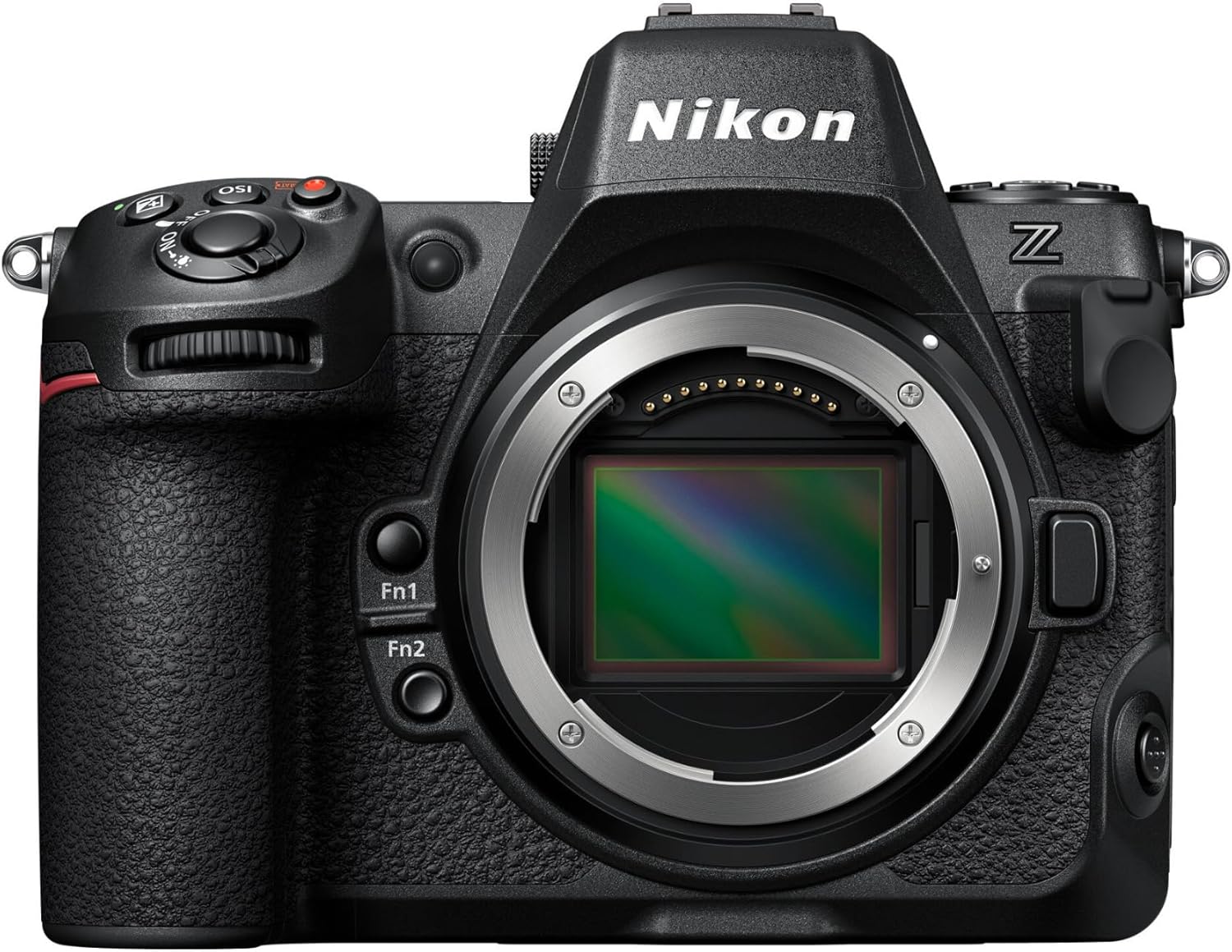
Best for: Professional work, wildlife, landscapes, events, high-end hybrid shooting The Nikon Z8 is the pro hybrid pick for photographers who want flagship-class performance, high-resolution files, action speed, and serious video in a body smaller than a gripped flagship.Nikon Z8
8.6/10
Where Panasonic Lumix S5IIX wins
In this matchup, Panasonic Lumix S5IIX is the better direction when its use case solves the problem that made you compare these two products in the first place. The card below gives the compact scorecard; the points here focus on the decision context.
Choose it when
- Video workflow is a major reason to consider it, so compare stabilization, audio, storage and file handling before buying.
- The listed sensor detail — full-frame L-mount mirrorless design — matters most when it supports your lens choice and shooting workflow.
- The listed autofocus detail — Phase Hybrid AF — matters most when it supports your lens choice and shooting workflow.
- Compare the body with the lenses you would actually buy, because the kit decision matters more than the camera body alone.
Trade-off to check
The surrounding ecosystem can decide the purchase as much as the product itself. If that trade-off is not a problem for your setup, this product remains a sensible finalist.
Best for: Filmmakers, hybrid video creators, interviews, open-gate workflows The Panasonic Lumix S5IIX is the video-focused full-frame pick for creators who want serious recording tools, strong stabilization, and a body that prioritizes production flexibility.Panasonic Lumix S5IIX
8.7/10
Key trade-offs
The better choice depends on which compromise you would rather live with. Nikon Z8 is strongest when its main use case matches your daily routine. Panasonic Lumix S5IIX makes more sense if its strengths solve a problem the other product does not prioritize.
Choose Nikon Z8 if…
- you want a camera body whose lens system, handling and stills/video workflow match the way you shoot
- Its main advantage is practical fit: the scorecard points to a product with a clear use case rather than a purely spec-driven recommendation.
- Autofocus confidence is part of the draw, especially if your subjects move or you shoot without time for repeated takes.
Choose Panasonic Lumix S5IIX if…
- you want a camera body whose lens system, handling and stills/video workflow match the way you shoot
- Video workflow is a major reason to consider it, so compare stabilization, audio, storage and file handling before buying.
- Its main advantage is practical fit: the scorecard points to a product with a clear use case rather than a purely spec-driven recommendation.
Detailed decision matrix
Do not read this matchup as a simple winner-and-loser article. Nikon Z8 and Panasonic Lumix S5IIX make sense for different buyers, and the better choice is the one that removes the biggest friction in your day-to-day use.
Choose Nikon Z8 if…
- It is aimed at professional work, wildlife, landscapes, events, high-end hybrid shooting.
- Its main advantage is practical fit: the scorecard points to a product with a clear use case rather than a purely spec-driven recommendation..
- Autofocus confidence is part of the draw, especially if your subjects move or you shoot without time for repeated takes..
- Video workflow is a major reason to consider it, so compare stabilization, audio, storage and file handling before buying..
- Key specs or positioning from the product data: Sensor: 45.7MP full-frame stacked CMOS; Processor: EXPEED 7; Burst: up to 120 fps modes and pre-release capture.
- Watch-out: The value question is total ownership cost: the product may be worth it only if you will use the capability that raises the price..
Choose Panasonic Lumix S5IIX if…
- It is aimed at filmmakers, hybrid video creators, interviews, open-gate workflows.
- Video workflow is a major reason to consider it, so compare stabilization, audio, storage and file handling before buying..
- Its main advantage is practical fit: the scorecard points to a product with a clear use case rather than a purely spec-driven recommendation..
- Video workflow is a major reason to consider it, so compare stabilization, audio, storage and file handling before buying..
- Key specs or positioning from the product data: Sensor: full-frame L-mount mirrorless design; Autofocus: Phase Hybrid AF; Video: high-grade video modes including open-gate style workflows.
- Watch-out: The surrounding ecosystem can decide the purchase as much as the product itself..
Ownership trade-offs to check before buying
The short verdict is useful, but the long-term ownership details are where close comparisons are usually decided. Before choosing, compare these points against your actual room, workflow, trip style or daily routine.
- Lens ecosystem and total kit weight, not only the body specification sheet.
- Autofocus reliability for your subject type: people, pets, sports, travel or talking-head video.
- Video tools, stabilization, recording limits and storage demands if you create content.
- Controls and ergonomics, because a camera that feels awkward will stay at home.
Value and long-term fit
The better value is not always the cheaper product. A lower-priced option can be the wrong buy if it forces an upgrade soon, while a premium product can be poor value if you will not use its extra capability. Use the product cards above for current shopping links and product-specific pros and cons, then make the final call based on fit rather than score alone.
How to test the decision after delivery
When the product arrives, evaluate it against the same use case that led you to choose it. Do not keep it only because it looked strongest on paper. Check the fit, noise, comfort, handling, setup friction or daily workflow during the return window. If the product solves the main problem but annoys you in a repeated daily task, the rival may be the smarter long-term choice.
Alternatives to consider
If neither finalist feels right, step back to the category guide instead of forcing the comparison. A buyer who needs a smaller, simpler, cheaper or more specialized option may be better served by another model in the same category than by either of these two products.
FAQ
Is Nikon Z8 better than Panasonic Lumix S5IIX?
It is better if its strengths match your use case. Nikon Z8 belongs in the shortlist when you want a camera body whose lens system, handling and stills/video workflow match the way you shoot. The important decision is not whether it has an appealing scorecard, but whether its strengths match the way you will use it. The Panasonic Lumix S5IIX is the stronger choice when its own fit, features and watch-outs align better with how you will use it.
Which one should most buyers choose?
Most buyers should choose the product that solves their main constraint with fewer compromises. If both products solve the same problem for you, compare size, maintenance, accessories, warranty support and the first listed watch-out for each product.
When should I skip both?
Skip both if neither product matches the size, ecosystem, capacity or workflow you need. In that case, use the related guides below to compare broader categories before returning to a head-to-head decision.
What to verify before you buy
Camera recommendations depend heavily on the system around the body. A body with excellent specs can be a poor buy if the lenses you need are too large, too expensive or unavailable. Before committing, price the full kit you would actually carry, not only the body that wins a comparison.
- Lens prices for the focal lengths you actually need.
- Battery and memory-card requirements.
- Video heat, codec and storage demands for your workflow.
- Whether the grip and controls suit your hands.
- Warranty and return options for body-only or kit bundles.
For Nikon Z8 vs Panasonic Lumix S5IIX: Pro Hybrid Power or Video-Focused Full Frame?, the safest final step is to compare the article’s recommendation against the latest product listing, included accessories, retailer return window and your own use case. That keeps the decision practical without relying on stale pricing or one-size-fits-all claims.


Leave a Reply